Southeast guides · FL
Florida Driving: Evacuation Routes, Salt Air, Long Bridges and Boat Ramps
Florida buyers shop for vehicles that handle hurricane evacuations, salt air, long causeways and boat ramps as well as everyday commuting. Jacksonville, Miami, Tampa and Orlando each get their own picks below, based on how people really drive there. Prices are starting MSRP and change, so confirm current figures with a dealer before you decide.
Our picks for Florida
Evacuation season and rising water
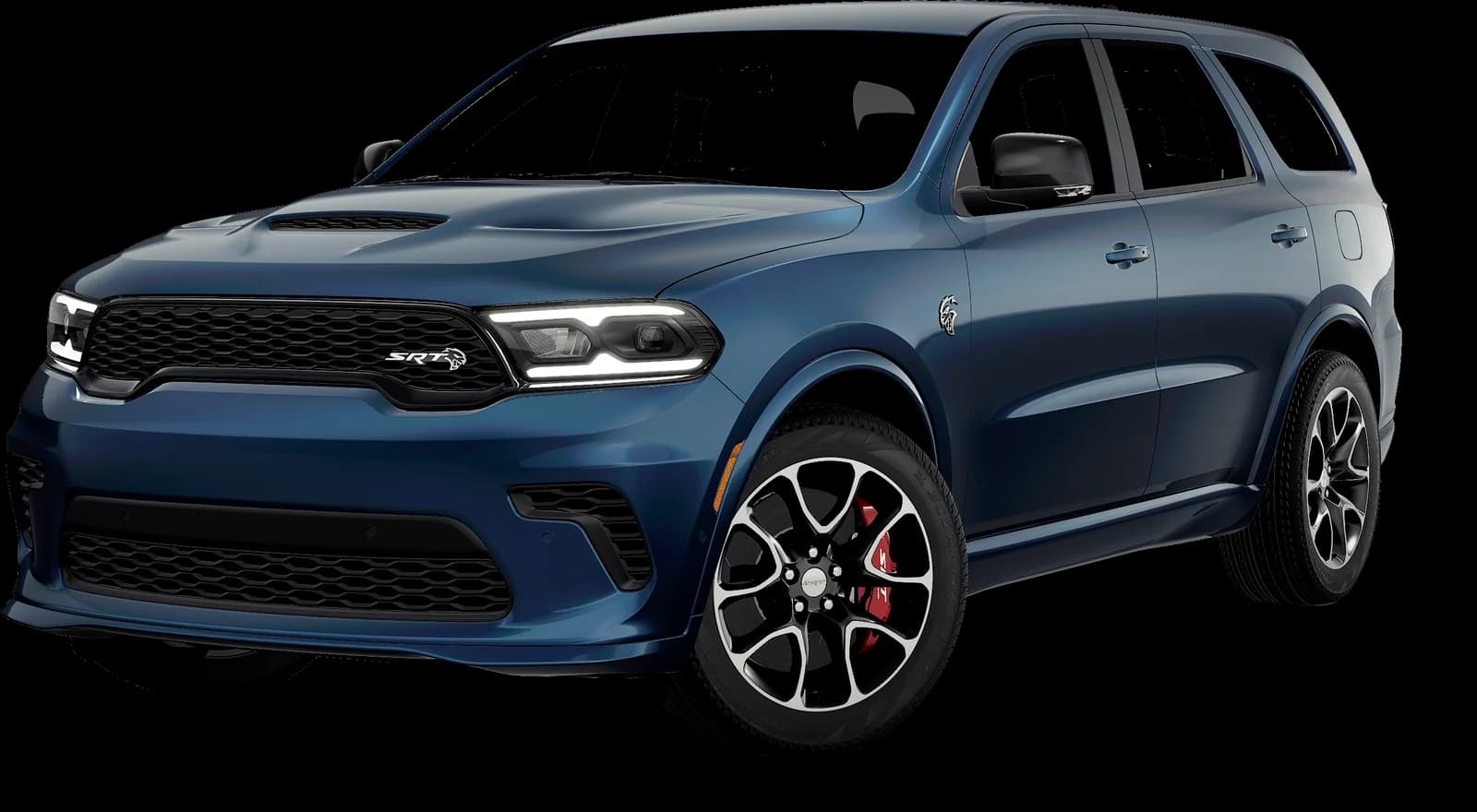
Hurricane season runs from June through November, and anyone living in an evacuation zone from Jacksonville to Miami should treat the vehicle as part of the plan. The roads fill fast: I-95 up the Atlantic side, I-75 and I-4 across the peninsula, and the Turnpike between them. Fuel stations run dry, so range matters more than horsepower. As a rough estimate worked out from published figures, the Durango's 24.6-gallon tank at its 22 mpg highway rating covers about 540 miles, and the Pacifica's 19-gallon tank at 28 mpg highway covers about 530.
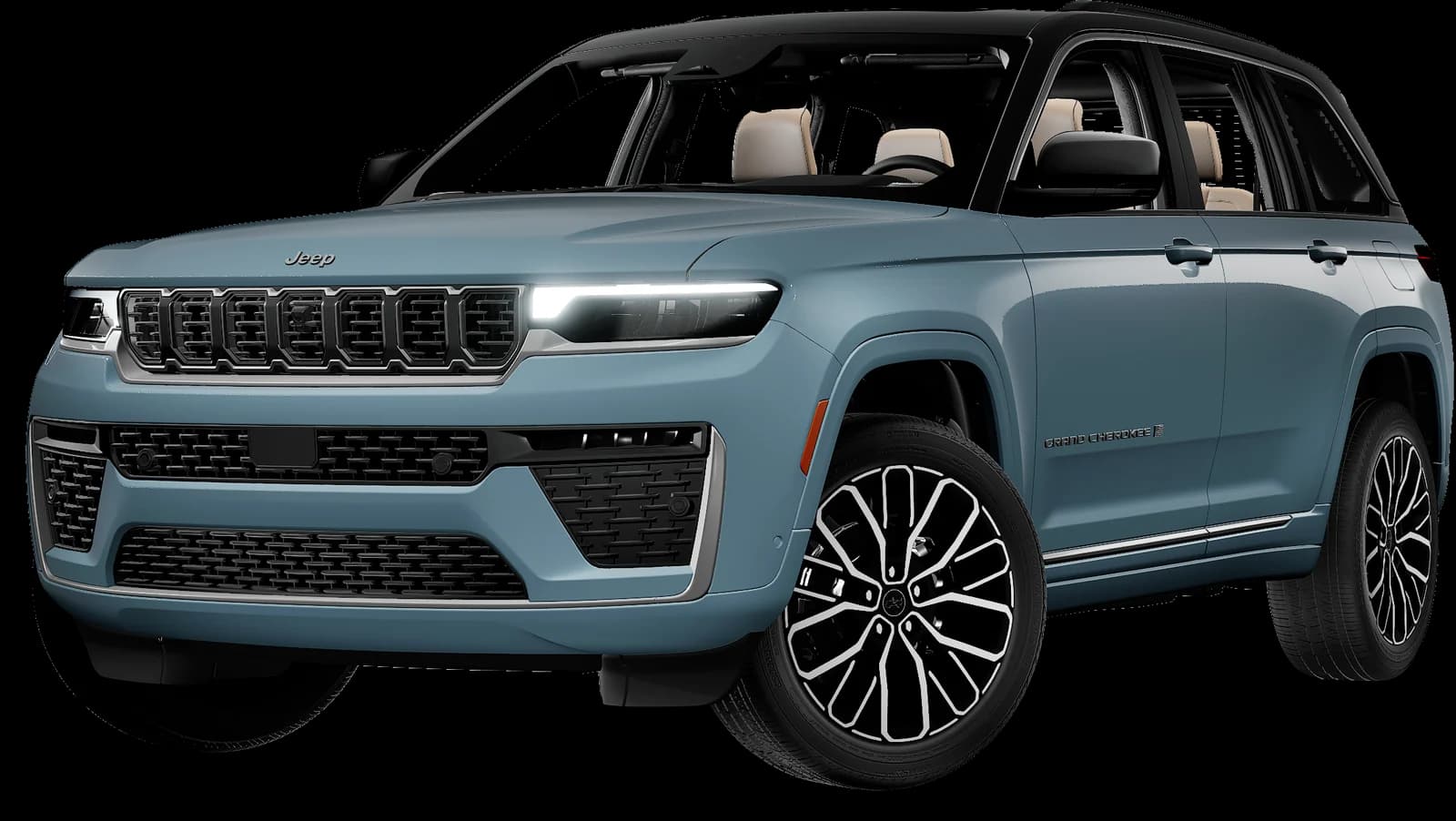
Flooding is the other half of the problem. Storm surge and king tides put salt water on streets that are dry again the next day. Water-crossing ratings show the design margin: Jeep lists the Cherokee at 24 inches of fording when properly equipped, and the Wrangler at 30 inches on Sport and Sahara and 34 on Rubicon with the LT315 tires. Those are ratings for clean, slow water, not a license to cross a flooded road where the depth and debris are unknown. Ride height is a better reason to look at the Grand Cherokee, which Jeep lists at up to 10.9 inches on its air suspension and up to 11.4 on the Trailhawk. For evacuation zones and routes, use your county emergency management office and the Florida Division of Emergency Management.
Keys, causeways and long bridges
South Florida drivers spend a surprising amount of time over water. The Overseas Highway through the Keys is essentially one road with the sea on both sides, and a stalled car or a crash can back traffic up for miles. Tampa Bay has the Sunshine Skyway, and nearly every barrier island from Clearwater to Marco Island hangs on a causeway.
Tall, flat-sided vehicles feel crosswinds on these spans. A Wrangler stands about 73.6 inches high and a Gladiator 73.1 to 76.1 depending on the top, so both move around more in a gust than a Charger at about 59 inches. In the Keys and on Miami Beach, parking is as big a problem as the road. Tight garages and angled street spots are easy work for a Compass, which needs just 36.3 feet to turn around and stretches 173.4 inches. With Jeep rating its city economy as high as 39 mpg (37 combined), the Cherokee hybrid suits the stop-and-go that defines US-1 on a holiday weekend. If you want to go electric, plan charging before you leave the mainland, because stations thin out between towns. The Recon's 222-mile Moab rating and the Wagoneer S's 294 miles leave some room, but not a guarantee.
Theme-park corridors and retiree traffic
Orlando's I-4 corridor mixes tourists in rental cars, commuters, delivery trucks and families heading to the parks, and the result is some of the slowest highway driving in the state. Tampa and South Florida add their own wave when snowbirds arrive after the holidays, and Gulf Coast and Palm Beach County roads stay busier from winter through spring.
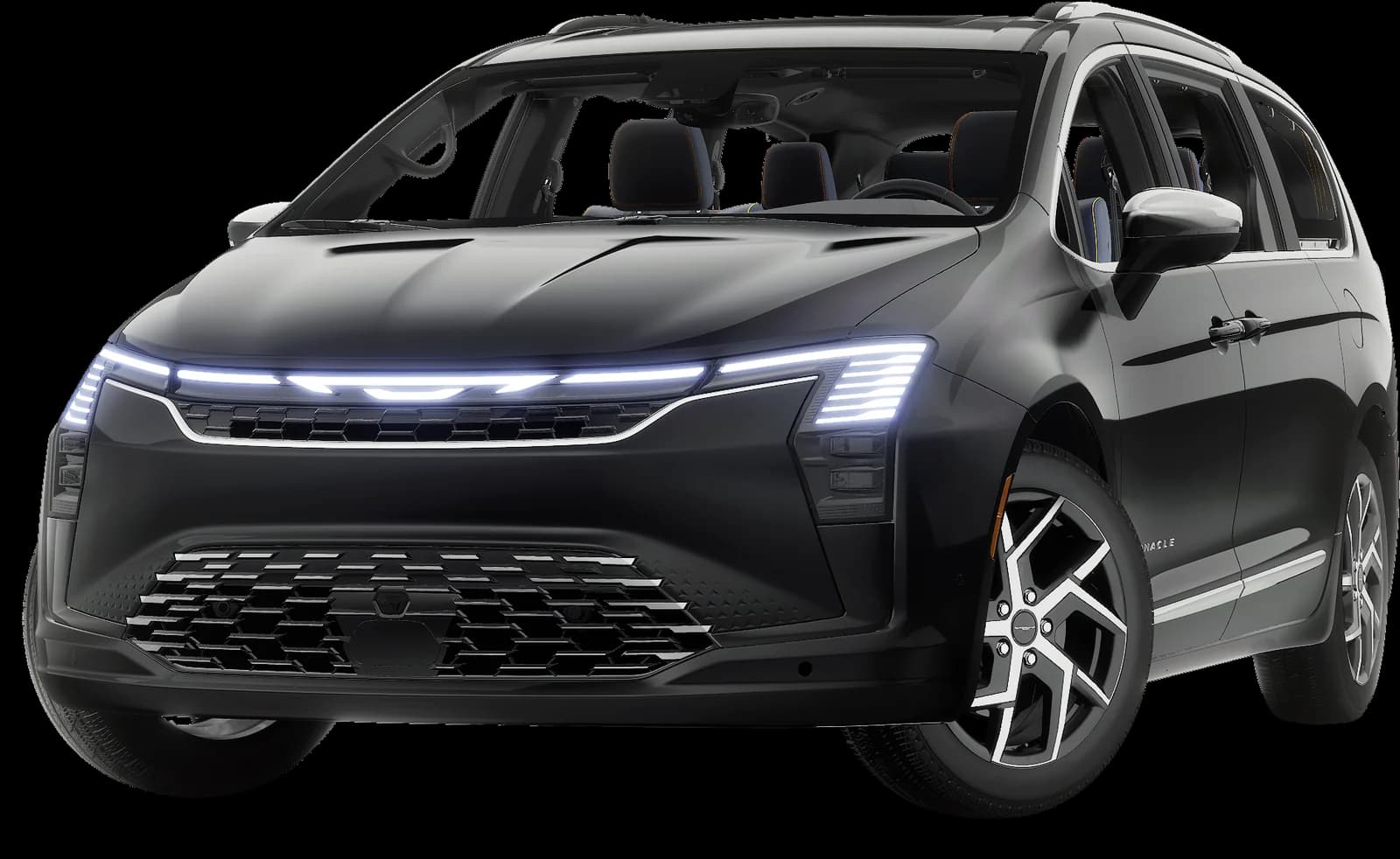
For family trips with luggage, strollers and grandparents, the Chrysler Pacifica is the obvious fit: seven or eight seats, up to 140.5 cubic feet of cargo space with the seats folded, and 19 city and 28 highway mpg in front-wheel drive. For 2027 there is no plug-in hybrid, so it is the 287-horsepower V6 only. The Voyager starts at $41,395 against $41,595 for the Pacifica LX, seats seven and tops out at a 1,500-pound tow rating. Buyers who want a third row plus real towing can look at the Durango, which seats up to seven and lists 17.2 cubic feet behind the third row. If older passengers will ride along often, sit in each candidate and judge the step-in height and seat position yourself. Those dimensions are worth feeling in person, not reading off a sheet.
Salt, sun and afternoon storms
Florida weather is harder on vehicles than most buyers expect. Salt air from the Gulf and the Atlantic works on exposed metal, the sun bakes dashboards and fades paint, and summer afternoon thunderstorms can drop an inch of rain in minutes. A few habits go a long way. Rinse the underbody after beach or boat-ramp trips, park in shade or a garage when you can, and ask the dealer how the manufacturer's corrosion coverage reads before you buy rather than after.
Some features matter more here than elsewhere. Ram lists a remote-start system on the 1500, handy for cooling a cabin before you climb in. The 1500 also offers skid plates for the fuel tank, transfer case, front suspension and steering gear, which shield hardware that sees ramp slime and sand. Jeep's removable-top Wrangler is a great Florida vehicle on a clear morning and a leaky one in a downpour, so look honestly at the hardtop and soft-top choices. Dark interiors and leather get hot, so if you park outdoors in Miami or Tampa, consider lighter colors and a windshield shade over black-on-black trim.
Boat ramps, trailers and the Jacksonville waterfront
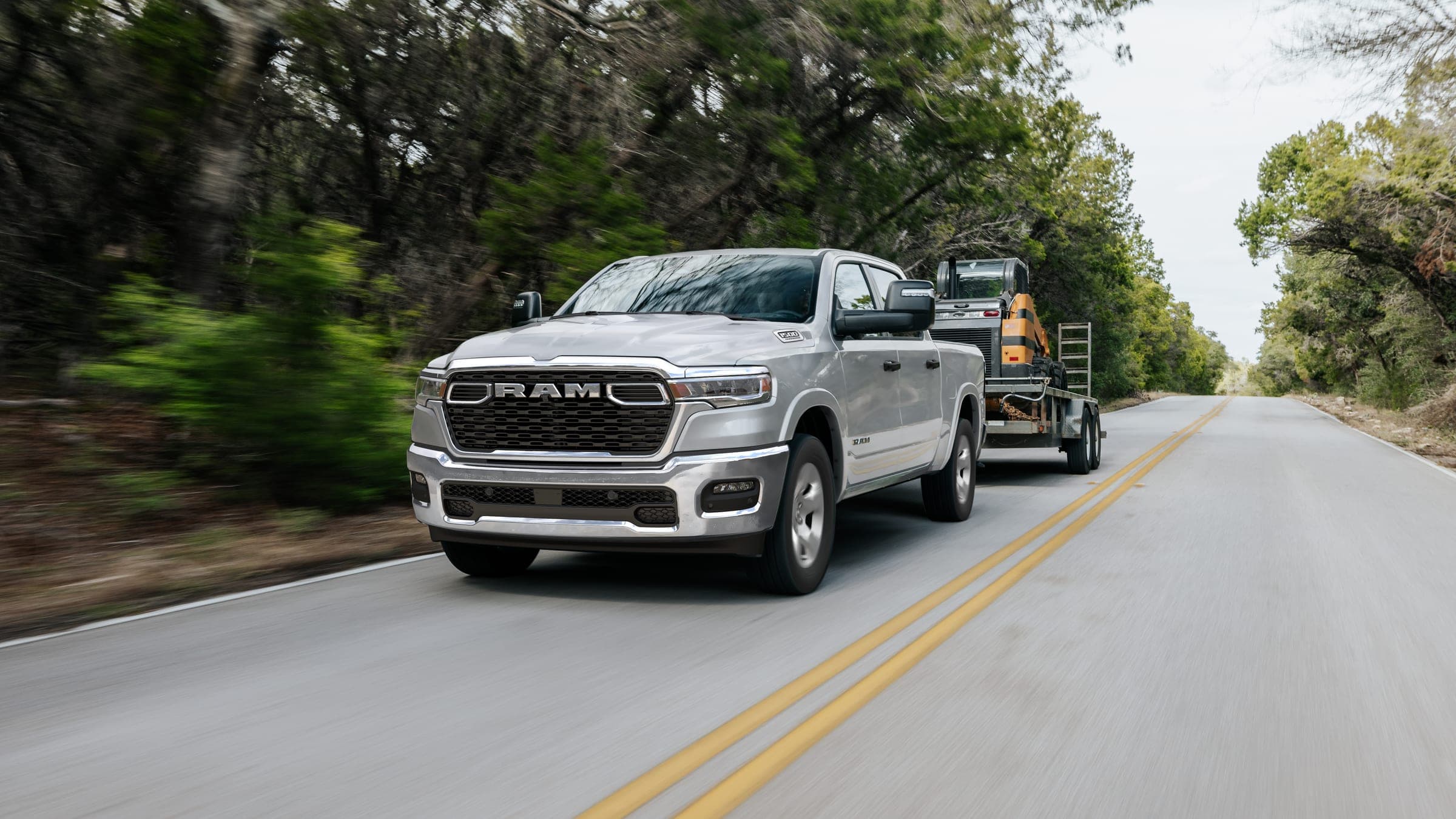
Florida has more boat trailers per household than almost anywhere, and ramps from the St. Johns River in Jacksonville to Tampa Bay and the Keys are wet, slick and crowded on weekends. The vehicle matters here. You want traction on the ramp, a hitch that matches the trailer, and brakes that cope with the weight on the way home.
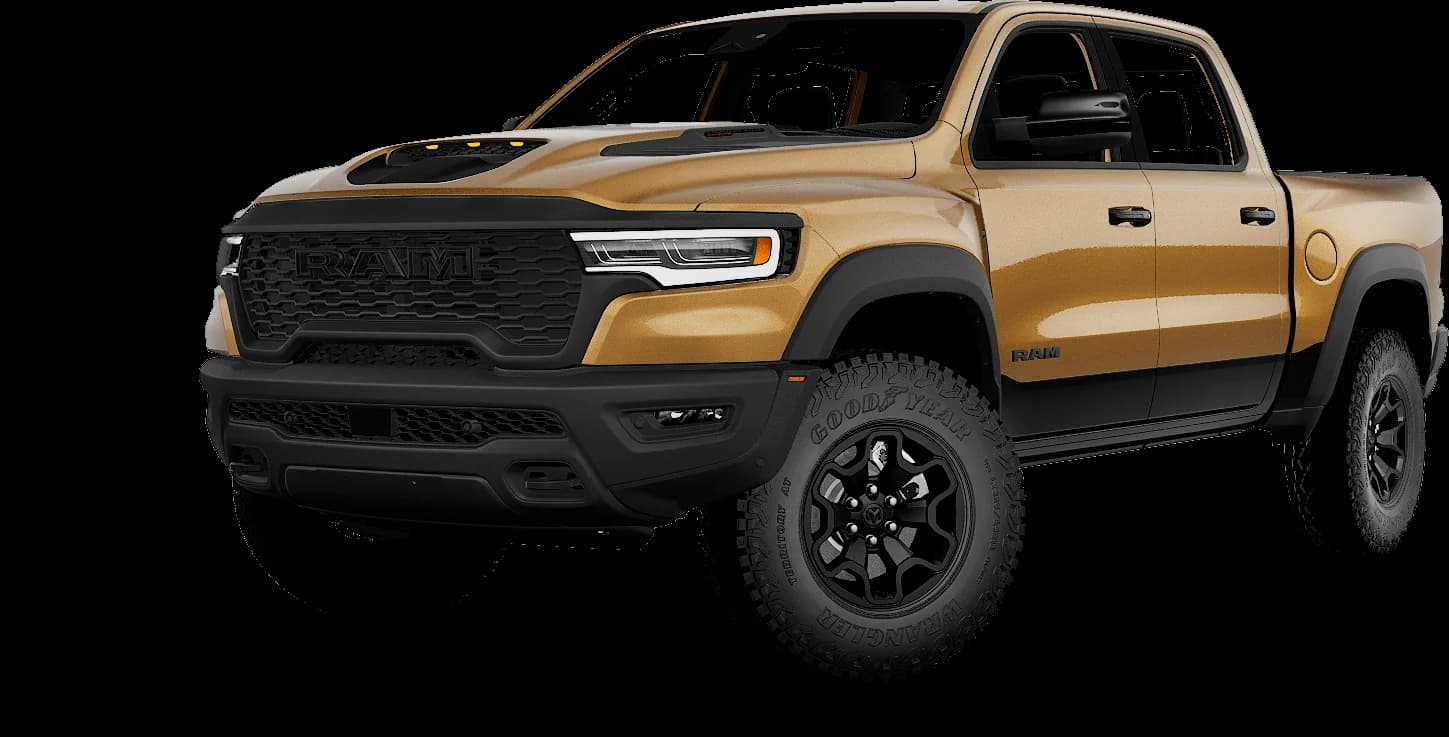
The Ram 1500 is the most capable choice in the lineup, rated up to 11,530 pounds with the Hurricane Standard Output engine and up to 2,340 pounds of payload with the V6 eTorque. For a midsize alternative, the Gladiator lists up to 7,700 pounds with the 4.10 axle on Sport S, and 7,000 on Rubicon models. The Durango tows 7,200 pounds standard and 8,700 with Tow 'n Go, and the Grand Cherokee is rated at 6,200. Bigger offshore boats on dual-axle trailers may push you toward a Ram 2500, rated up to 17,740 pounds with the HEMI.
Tow ratings assume specific equipment, and payload also covers the tongue weight, passengers and cargo, so read the door-jamb sticker on the exact truck you are considering. Rinse the trailer and the tow vehicle after every salt-water launch.
Florida buyer FAQ
How much clearance do I need for flooded Florida streets?
No vehicle is safe in moving or unknown floodwater, and salt water damages brakes and electronics even when shallow. For context, Jeep lists the Cherokee at 24 inches of fording when properly equipped and the Wrangler at 30 to 34 inches, depending on trim and tires. Those are clean-water design limits. Follow your county emergency management office, and have the vehicle inspected after any flooding.
Which model is best for towing a boat in Florida?
For most boats, the Ram 1500 is the strongest all-around pick, with ratings up to 11,530 pounds depending on engine. The Durango at 7,200 pounds standard and the Gladiator at up to 7,700 pounds suit smaller center consoles and pontoons. Heavy offshore boats may call for a Ram 2500. Always match the exact configuration's rating to the loaded trailer weight.
Is there a plug-in hybrid Pacifica for 2027?
No. Chrysler lists the 3.6-liter Pentastar V6 as the only Pacifica powertrain for 2027, rated 19 city and 28 highway mpg in front-wheel drive. If you want a hybrid for Florida stop-and-go, the Jeep Cherokee hybrid is rated by Jeep at up to 39 mpg city and does not need a plug.
Where do I find official evacuation zones and routes?
Use your county emergency management office and the Florida Division of Emergency Management, which publish zone maps and route advice before each storm. Zones and routes are updated over time, so check them at the start of each hurricane season rather than relying on memory or a general guide like this one, and keep your fuel tank above half during storm watches.
More Southeast guides