Southeast guides · GA
Georgia Roads from the Atlanta Perimeter to the Marsh and the Mountains
Georgia runs from mountain foothills to coastal marsh, so the right vehicle depends on whether you commute in Atlanta, haul timber near Macon or tow a boat to Lake Lanier. This guide walks through Atlanta, Savannah, Augusta and Macon driving, then points to the Chrysler, Dodge, Jeep and Ram models that fit. Prices are starting MSRP and will change.
Our picks for Georgia
Atlanta's connectors and the sprawl between them
Atlanta drivers know the names by heart: the Downtown Connector where I-75 and I-85 merge, the I-285 Perimeter, GA-400, and the I-20 corridors east and west. Jobs, airports and warehouses are scattered across a metro that spreads far beyond the Perimeter, so commutes are long and rarely predictable. Alpharetta, Marietta, Lawrenceville and Peachtree City each have their own rush hour.
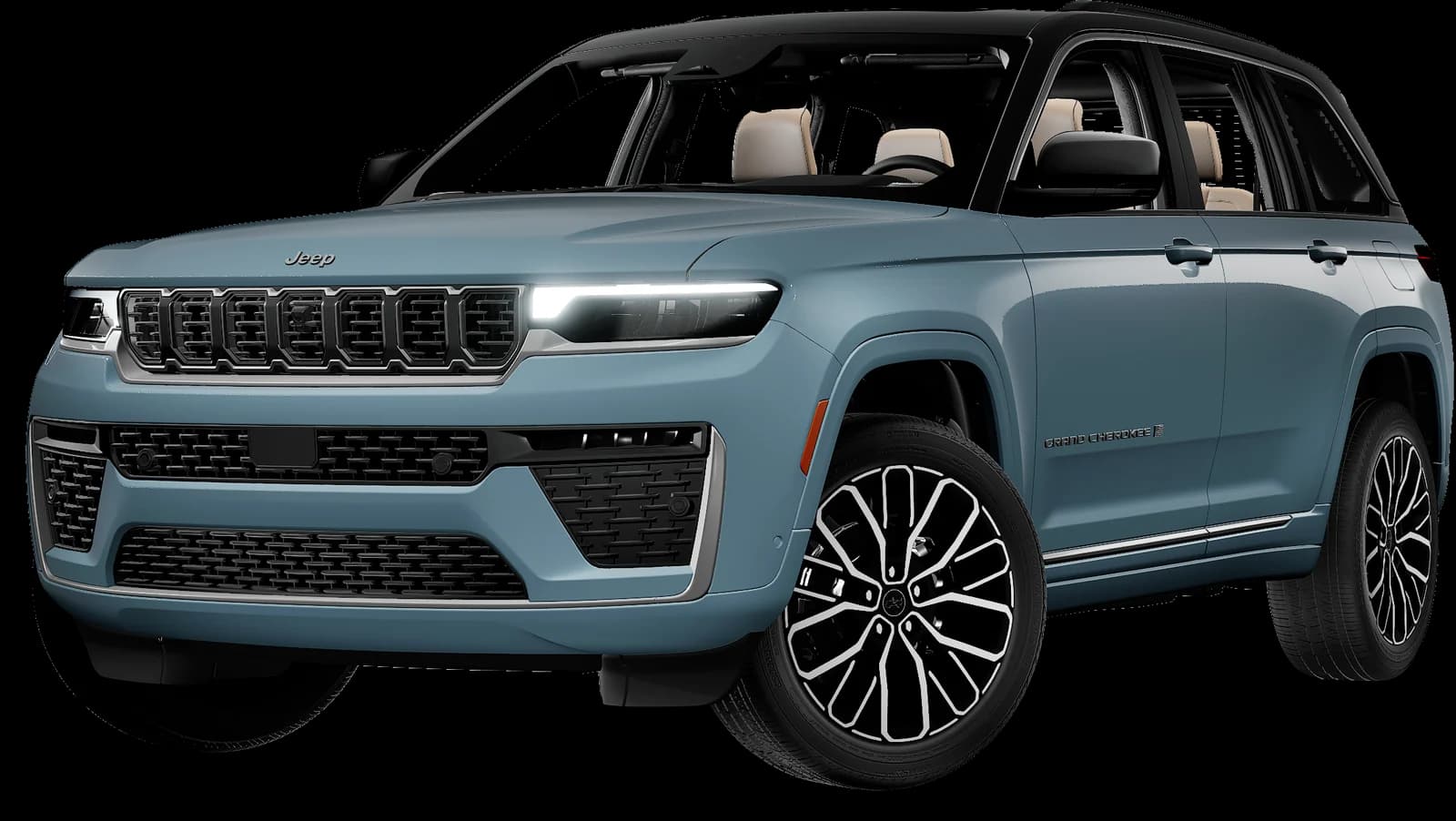
In that kind of driving, fuel economy and ride comfort count for more than peak output. At $35,130, the hybrid Cherokee earns Jeep estimates of 39 mpg around town and 37 overall. The Compass, at $29,990 with a 200-horsepower turbo four rated 21 city and 29 highway, has the lowest entry price in the lineup. For buyers who want more room, the Grand Cherokee offers a quiet two-row cabin with 70.8 cubic feet of cargo space seats folded, and the L adds a third row at 84.6. Georgia DOT operates express lanes on several corridors; check its site for how they work and what you need before you plan a daily route around them. Pothole season and summer downpours also reward good tires and ground clearance above sedan level.
Up into the North Georgia mountains
North of Atlanta the land rises into the Blue Ridge foothills, and weekends become a run up GA-400, I-85 or I-75 to Dahlonega, Blue Ridge, Helen and the national forest roads beyond. The grades are steeper than people expect, the blacktop twists, and forest gravel can wash out after storms. A four-wheel-drive vehicle with some clearance is the sensible pick.
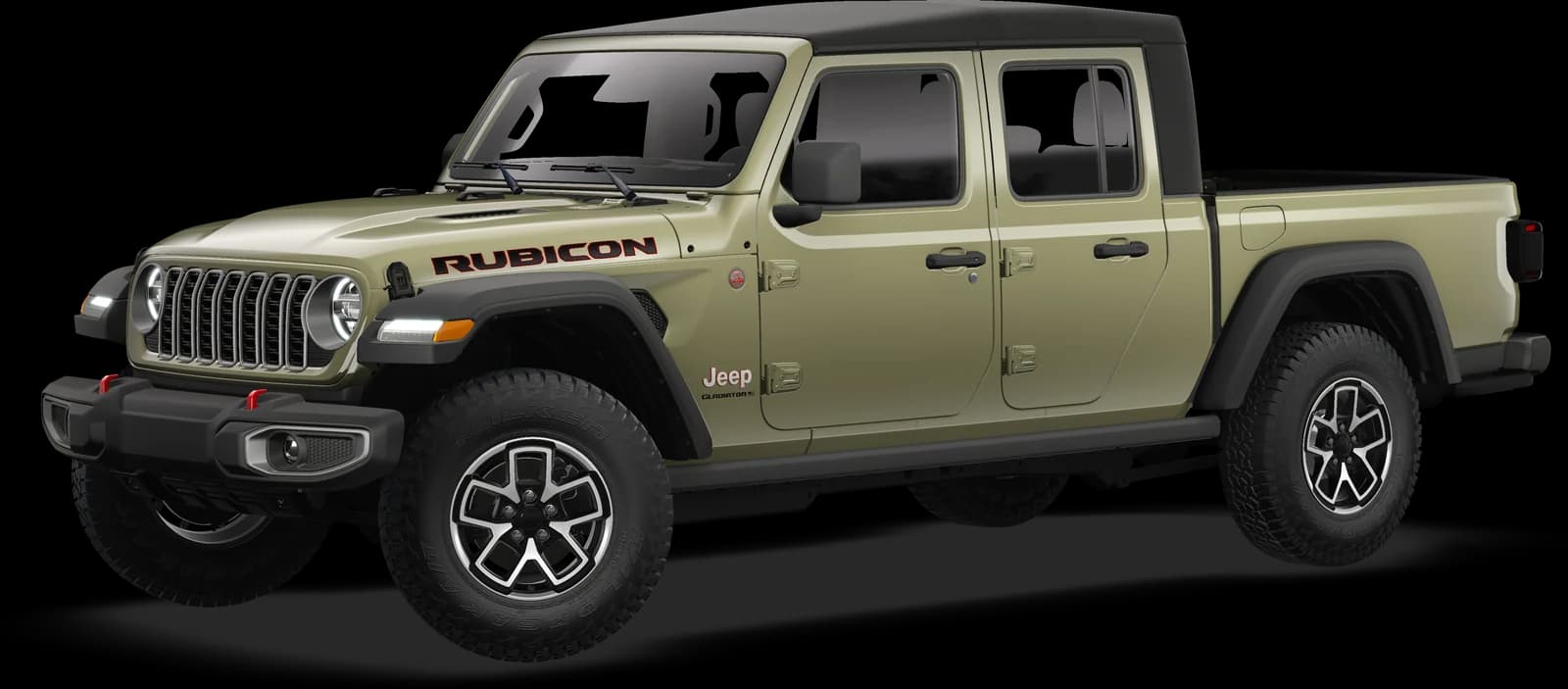
The Wrangler is the obvious trail machine, rated at up to 12.9 inches of clearance and 30 to 34 inches of fording depending on trim and tires. Starting MSRP is $36,635 for the two-door Sport and $39,985 for the four-door. The Gladiator adds a 60.3-inch bed for bikes and camping gear, starting at $43,895 on the Sport S. For lighter use, the Cherokee Trailhawk lists 9.0 inches of clearance and the Compass Trailhawk 8.6, enough for graded Forest Service roads and wet trailheads without the Wrangler's firm ride. Winters are mild, but an occasional ice storm shuts down the mountain roads, so keep decent tires on whatever you buy. For trail and road conditions, check the U.S. Forest Service and Georgia DOT.
Savannah, the coast and the Golden Isles run
Georgia's coast is a different world: low marsh, tidal creeks and barrier islands from Tybee to Cumberland. Savannah's historic squares are tight and tree-lined, and port trucks, tourist traffic and the I-16 and I-95 junction keep the arterials busy. Brunswick and St. Simons add causeways that jam on summer weekends.
I-16 is the main evacuation route inland toward Macon, so in hurricane season think about fuel range and a full tank before any storm. The Durango's 24.6-gallon tank and 22 mpg highway rating work out to roughly 540 miles, a rough estimate. Salt and humidity matter here as they do in Florida and the Carolinas: rinse the undercarriage after beach drives and ask what the manufacturer's corrosion coverage includes. In the old town a shorter vehicle makes sense. On cobbled squares, the compact Compass (173.4 inches nose to tail) is far easier to place than a three-row SUV. Tradespeople and delivery operators working near the port should look at the ProMaster City, starting at $37,400 for the Tradesman Cargo, with more than 167 cubic feet of cargo space and a turning diameter just over 42 feet. For current evacuation guidance, check the Georgia Emergency Management and Homeland Security Agency.
Farm, timber and pecan country
Between Macon and the Florida line the state is farmland, pine plantations and pecan orchards. Roads are long and flat, farm equipment shares them with logging trucks, and the red clay or sandy lanes off the highway turn to soup after rain. Augusta, Macon and Columbus act as regional hubs where people buy trucks for work as much as for show.
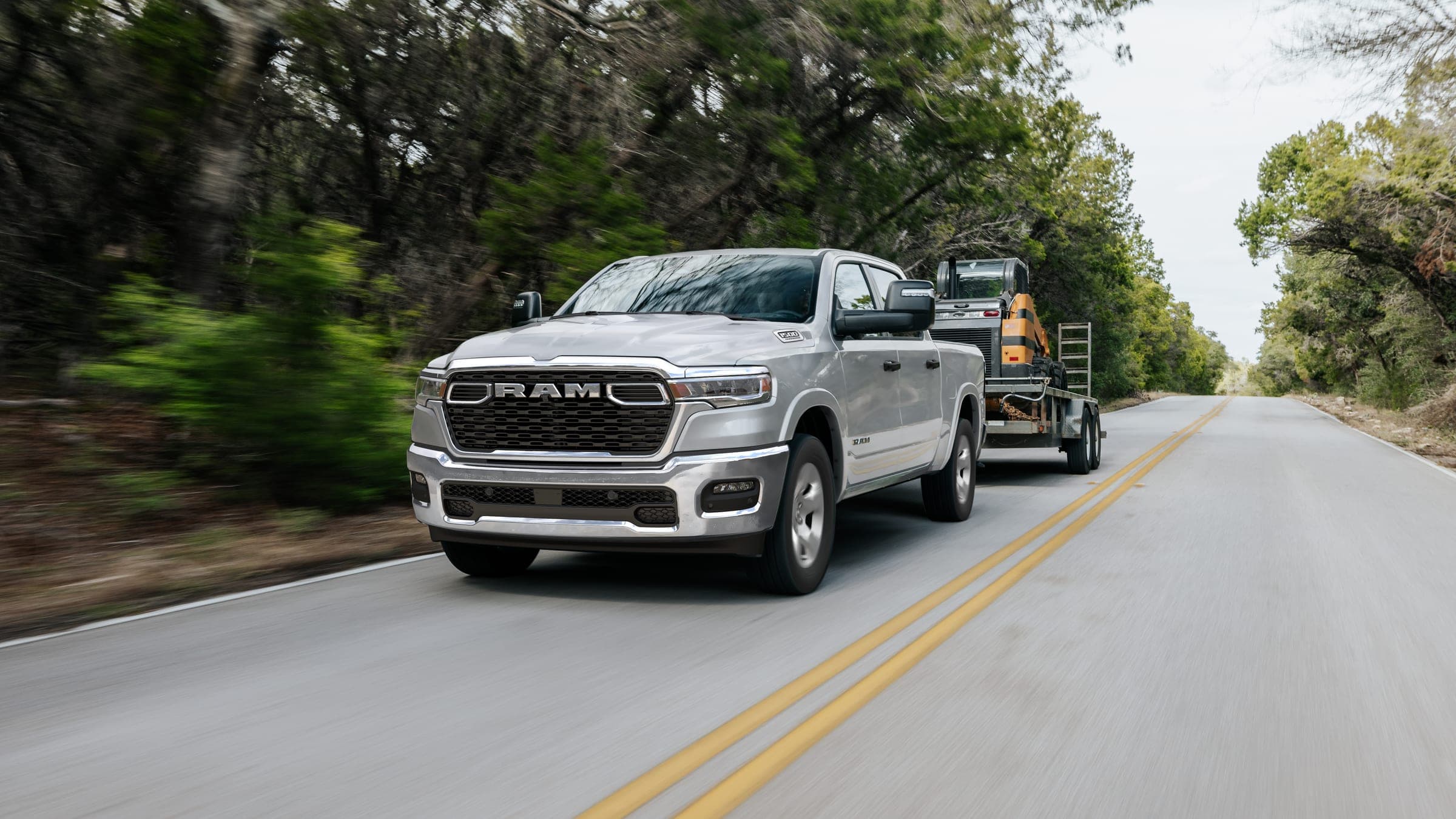
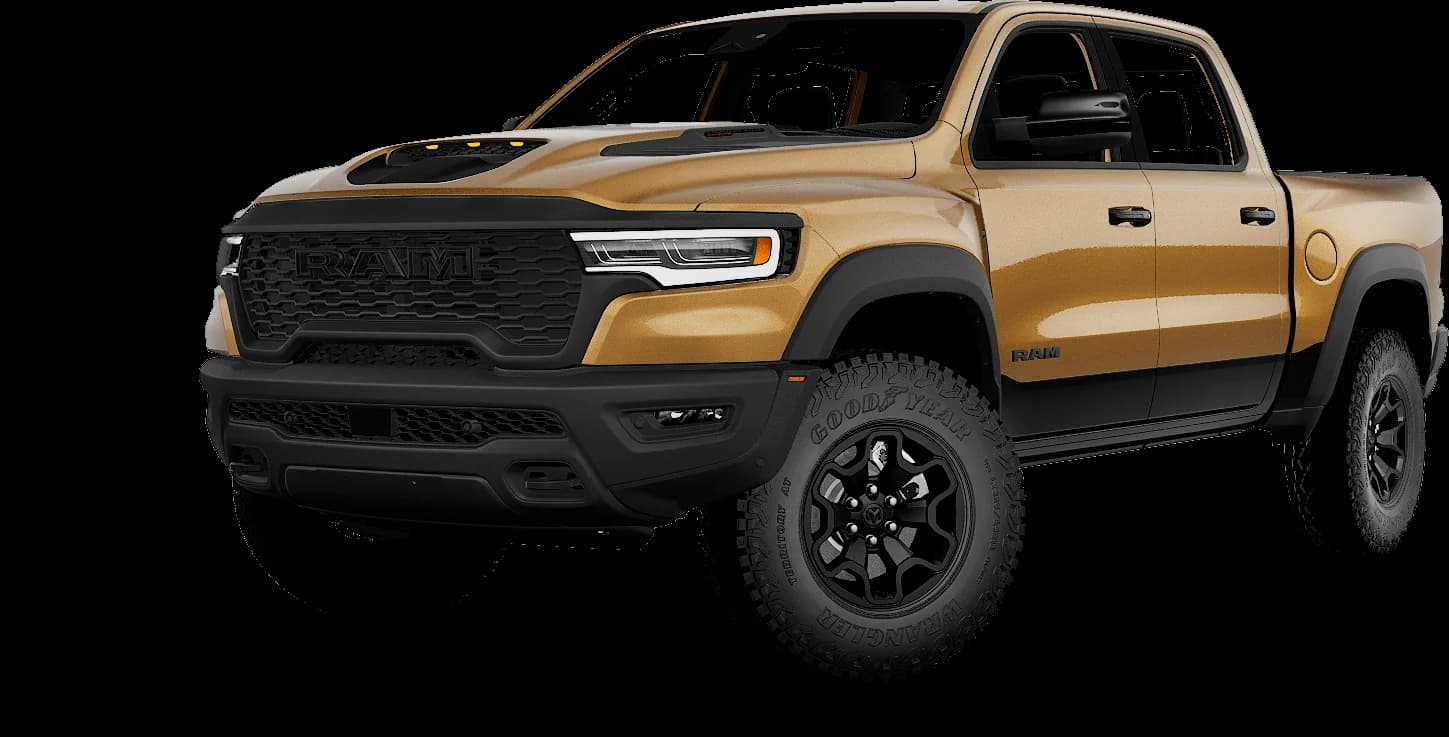
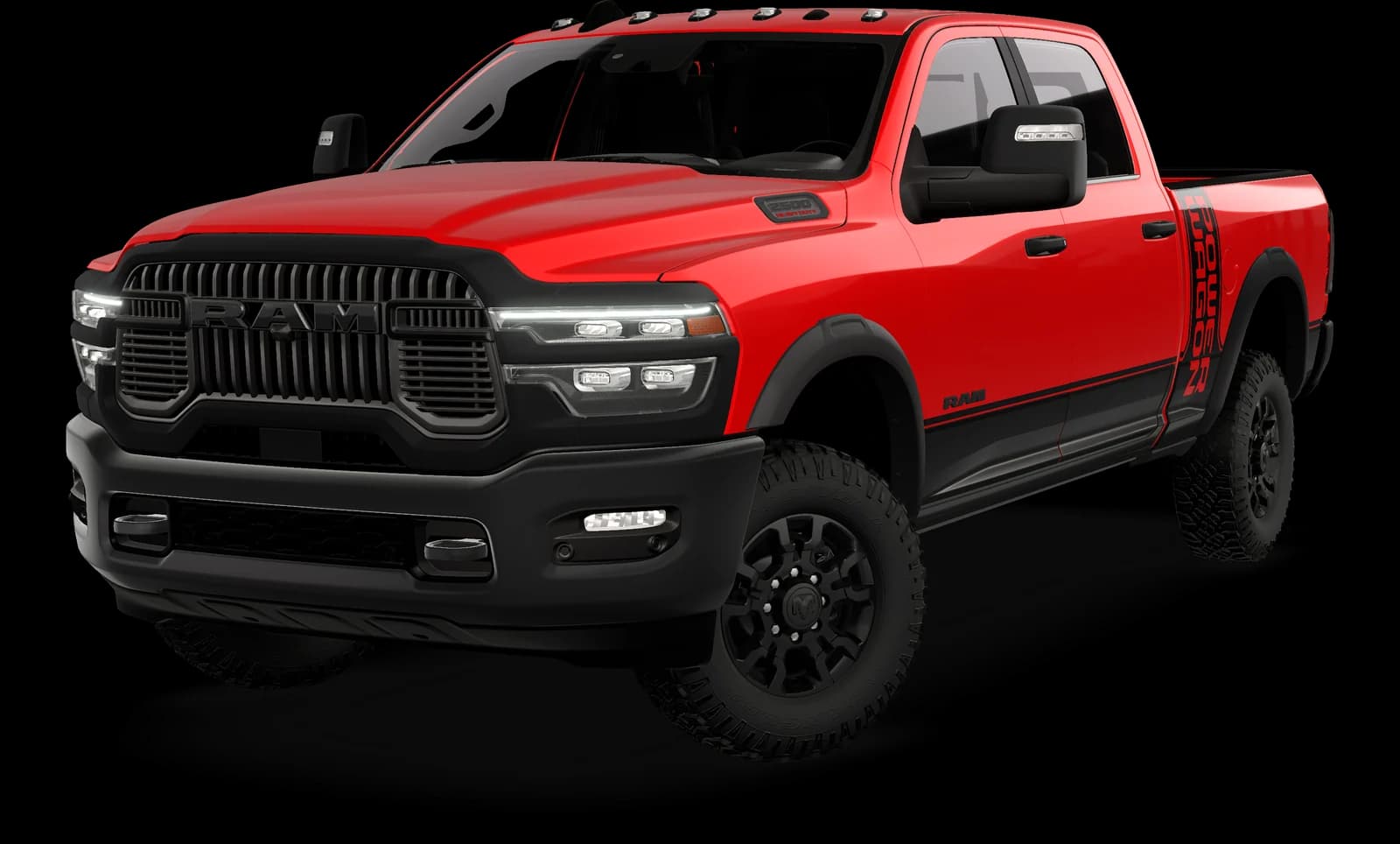
For weekday work, Ram has the clearest lineup. The 1500 starts at $42,575 and lists up to 2,340 pounds of payload. Heavier loads move to the 2500, which starts at $48,040 and lists up to 4,580 pounds of payload with the $835 Payload Upgrade Package, or to the 3500, rated up to 7,580 pounds of payload with the HEMI and up to 37,020 pounds of towing with the Cummins diesel. Those ratings are preliminary, so confirm them for the exact configuration. Chassis cab buyers who put a flatbed, utility body or dump on the back should know the lineup reaches 12,370 pounds of payload on the 5500. Fuel stops can be far apart in rural counties, which favors big tanks: the Ram Chassis Cab lists up to 74 gallons of fuel capacity and offers 4x4 for pasture and logging roads.
Lake weekends on Lanier, Hartwell and Allatoona
Metro Atlanta weekends often mean a boat. Lake Lanier, Allatoona, Hartwell and Oconee draw bass boats, pontoons and ski boats, and Friday evening traffic out of the city can be as heavy as any beach run. The launch ramps are steep and shared, and the roads in are often narrow county routes.
Most lake boats weigh well under the maximum ratings of full-size trucks, so the choice is more about daily use than raw power. A Gladiator at 7,000 to 7,700 pounds fits a pontoon or two jet skis, and the Durango's 7,200-pound standard rating covers most bass boats with room to spare. The Grand Cherokee's 6,200 pounds handles smaller center consoles and pop-up campers. The Compass is rated for only 2,000 pounds, which limits it to a small aluminum boat or a light utility trailer. Remember that payload also covers passengers and gear, so a full family load can eat into usable tongue weight. Look at tow packages, hitch class and trailer brake controllers on the exact configuration, and check Georgia DNR for any lake-specific rules before you launch.
Georgia buyer FAQ
What is the best Chrysler, Dodge, Jeep or Ram for Atlanta commuting?
For long stop-and-go commutes, the Jeep Cherokee hybrid, rated up to 39 mpg city and 37 combined, and the Compass at 21 city and 29 highway are the most economical choices. If you want a bigger cabin on I-85 or GA-400, the Grand Cherokee is the step up. Starting prices are $35,130, $29,990 and $39,730.
Do I need four-wheel drive in North Georgia?
Not for paved roads most of the year, but it helps on steep gravel, wet clay and the occasional ice storm. Every Cherokee comes with 4x4, the Compass has it standard, and the Wrangler and Gladiator use it on every trim. Good tires usually matter more than the drivetrain alone.
Which Ram suits farm and timber work in south Georgia?
The Ram 1500 handles light work, with up to 2,340 pounds of payload. The 2500 reaches 4,580 pounds with its Payload Upgrade Package, and the 3500 lists up to 7,580 pounds with the HEMI. Those heavy-duty figures are preliminary, so verify the rating for the exact cab, bed and axle you choose.
Where should I check evacuation routes for the Georgia coast?
Use the Georgia Emergency Management and Homeland Security Agency and your county emergency office. They publish zone maps and route guidance, including I-16 for traffic heading inland from Savannah. Review them before hurricane season, since routes, zones and shelter plans are updated over time. Keep your fuel tank above half whenever a storm is in the forecast, because stations along I-16 and I-95 run low quickly.
More Southeast guides