Southeast guides · VA
Virginia Driving: Northern Virginia Commutes, Tunnels and Shenandoah Ridges
Virginia packs dense Washington-area commuting, Navy-town tunnels and bridges, Blue Ridge mountain roads and quiet Southside farm country into one state. Northern Virginia, Richmond, Hampton Roads and the Roanoke Valley ask different things of a vehicle, so each gets its own short list. Prices are starting MSRP and can change; confirm lane rules and fees with official sources.
Our picks for Virginia
Northern Virginia commutes and express lanes
Arlington, Fairfax, Loudoun and Prince William make up one of the densest commuting regions in the country. I-66, I-95, I-395 and the Capital Beltway carry federal workers, contractors and tech employees into the city, the Pentagon and Tysons every day. Several of those corridors have express lanes that change with traffic, with restrictions by time of day and occupancy.
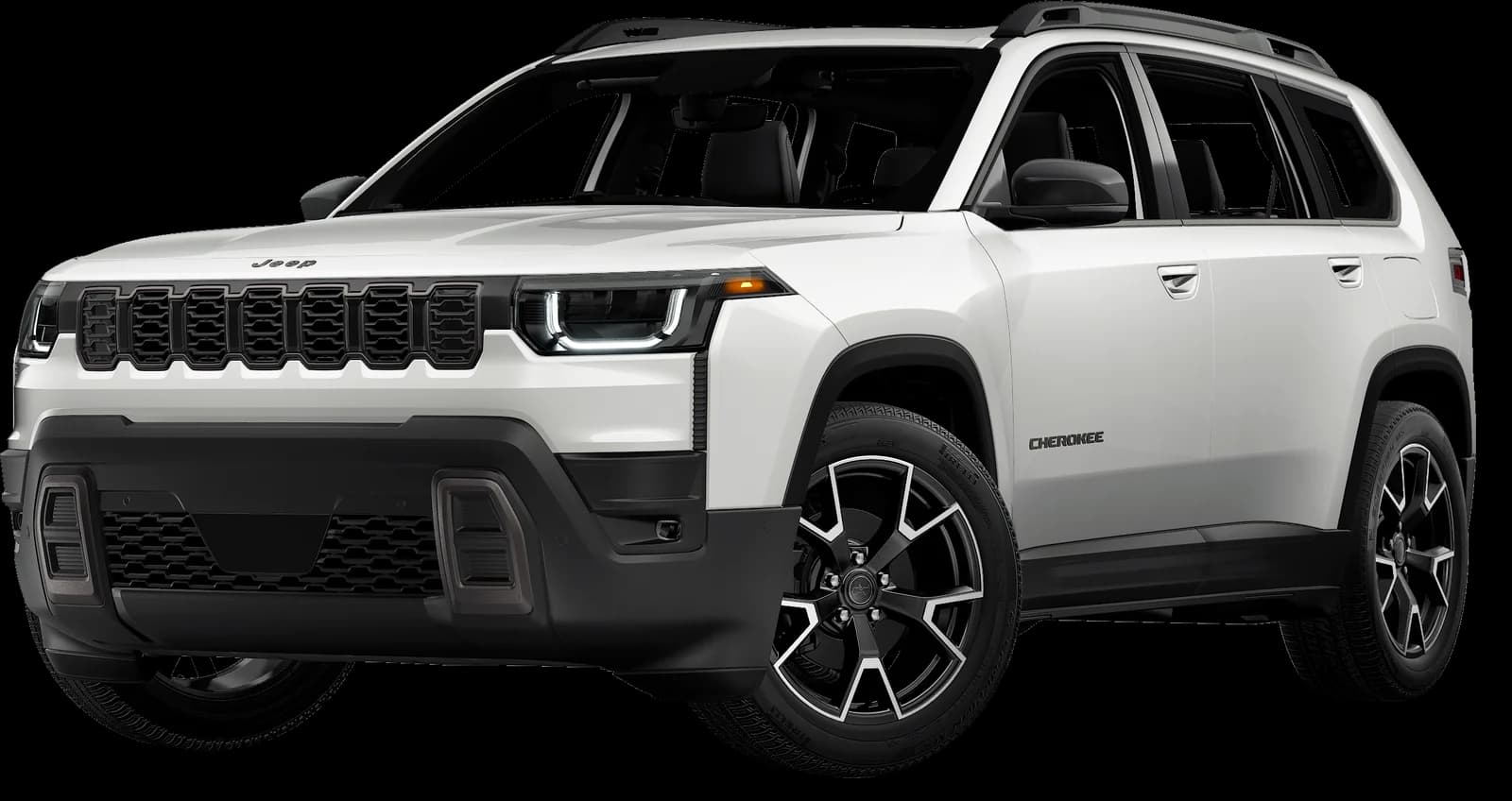
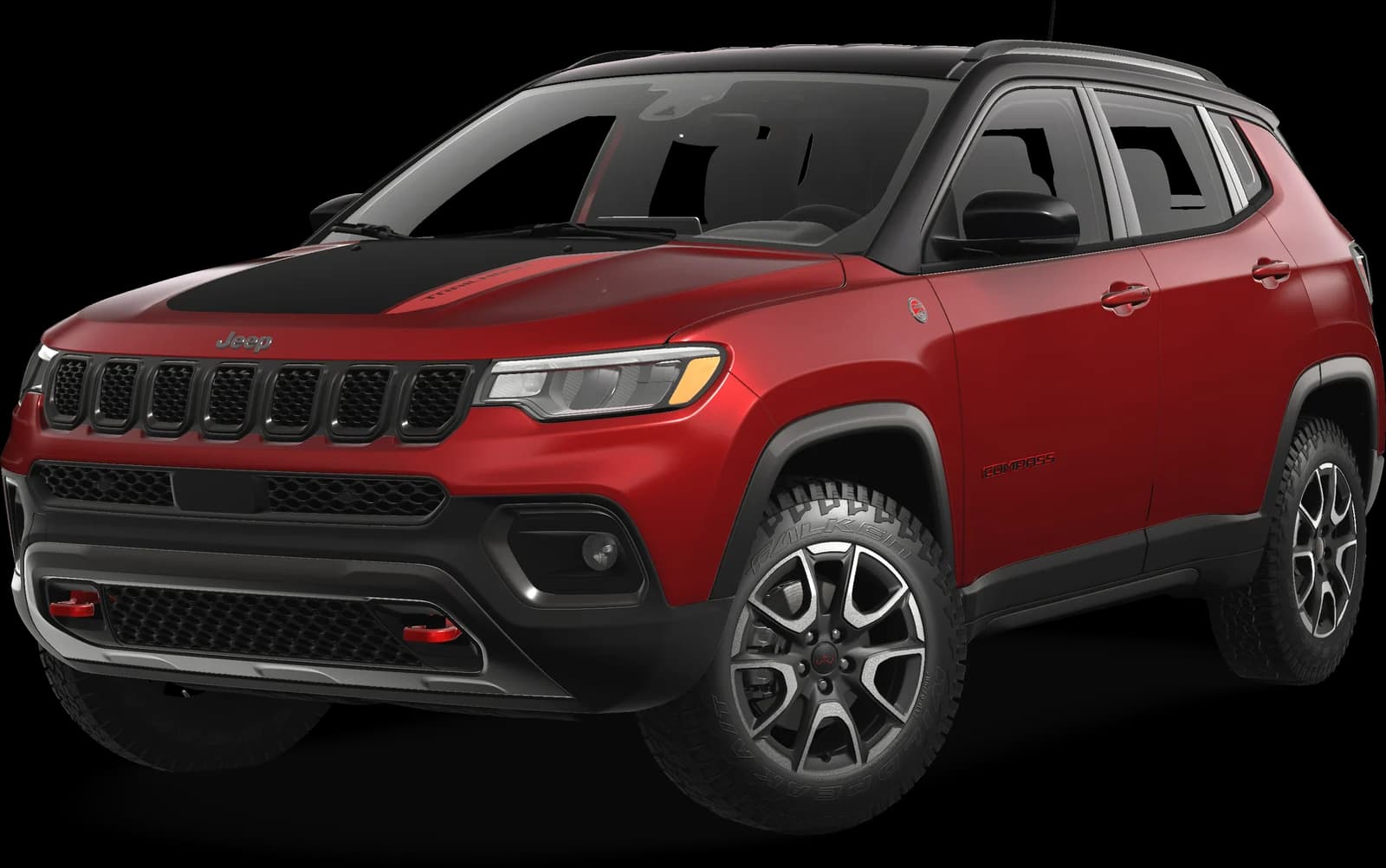
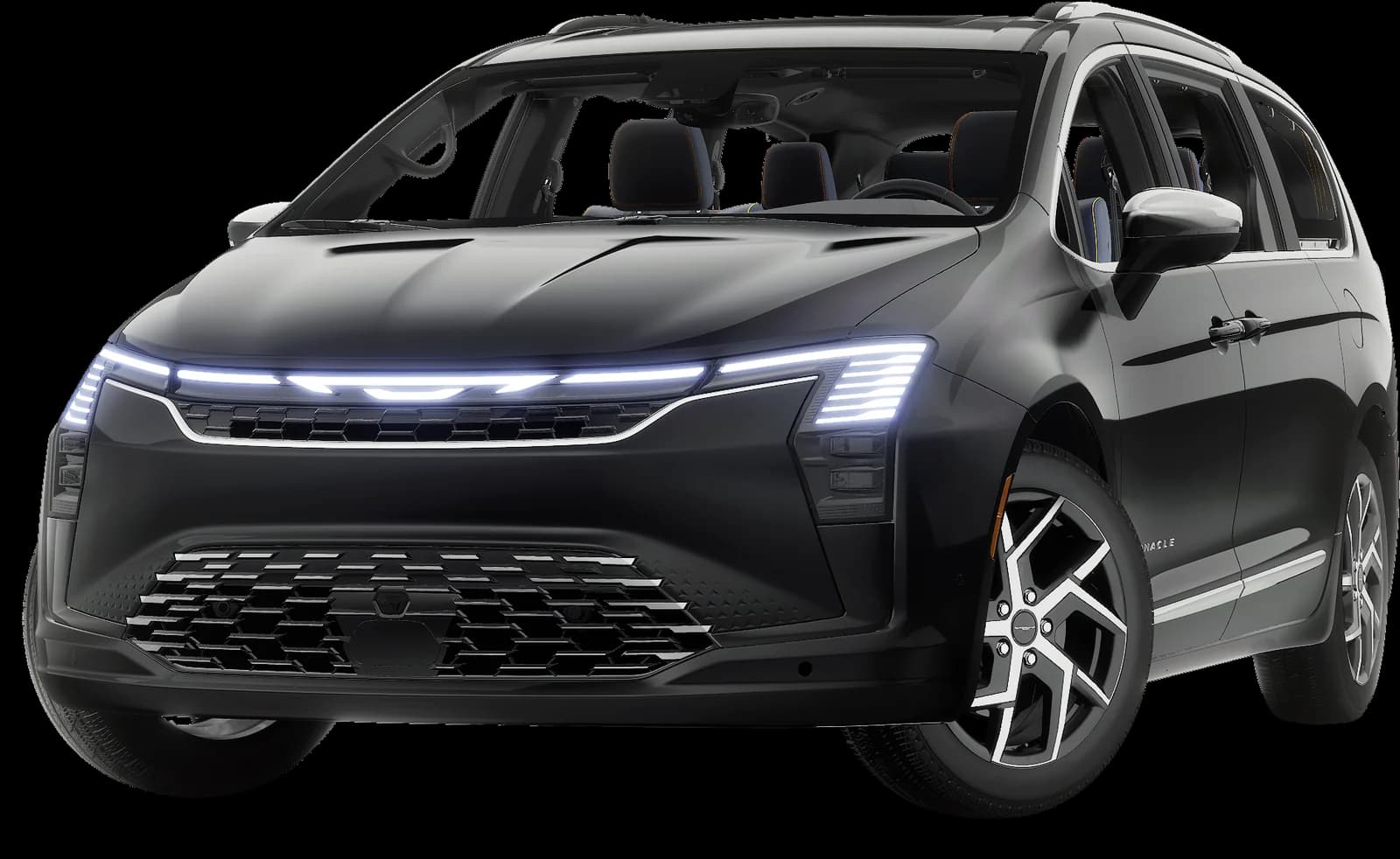
The rules and costs vary by corridor and change over time, so rely on VDOT and the operators' own sites for current requirements before you build a daily route around them. What the vehicle can do is reduce the cost of sitting in traffic. Jeep pegs the $35,130 Cherokee hybrid at 37 mpg combined, with up to 39 in city driving. The Compass offers 200 horsepower and a 21 city, 29 highway rating from $29,990. The Pacifica suits school-run families with seven or eight seats and a $41,595 starting price, and its 39.7-foot turning diameter is tolerable in office-park garages. Parking is the other cost: check the dimensions of your building's garage before choosing a long vehicle like the Durango at about 201 inches.
Hampton Roads: tunnels, bridges and Navy families
Hampton Roads is a region split by water. Norfolk, Virginia Beach, Chesapeake, Portsmouth, Newport News and Hampton connect through bridge-tunnels, drawbridges and a few causeways, and the Navy's presence, including the world's largest naval base in Norfolk, puts thousands of shift workers on the same roads every morning. Summer beach traffic compounds it, and a single accident in a tunnel can shut a route for hours.
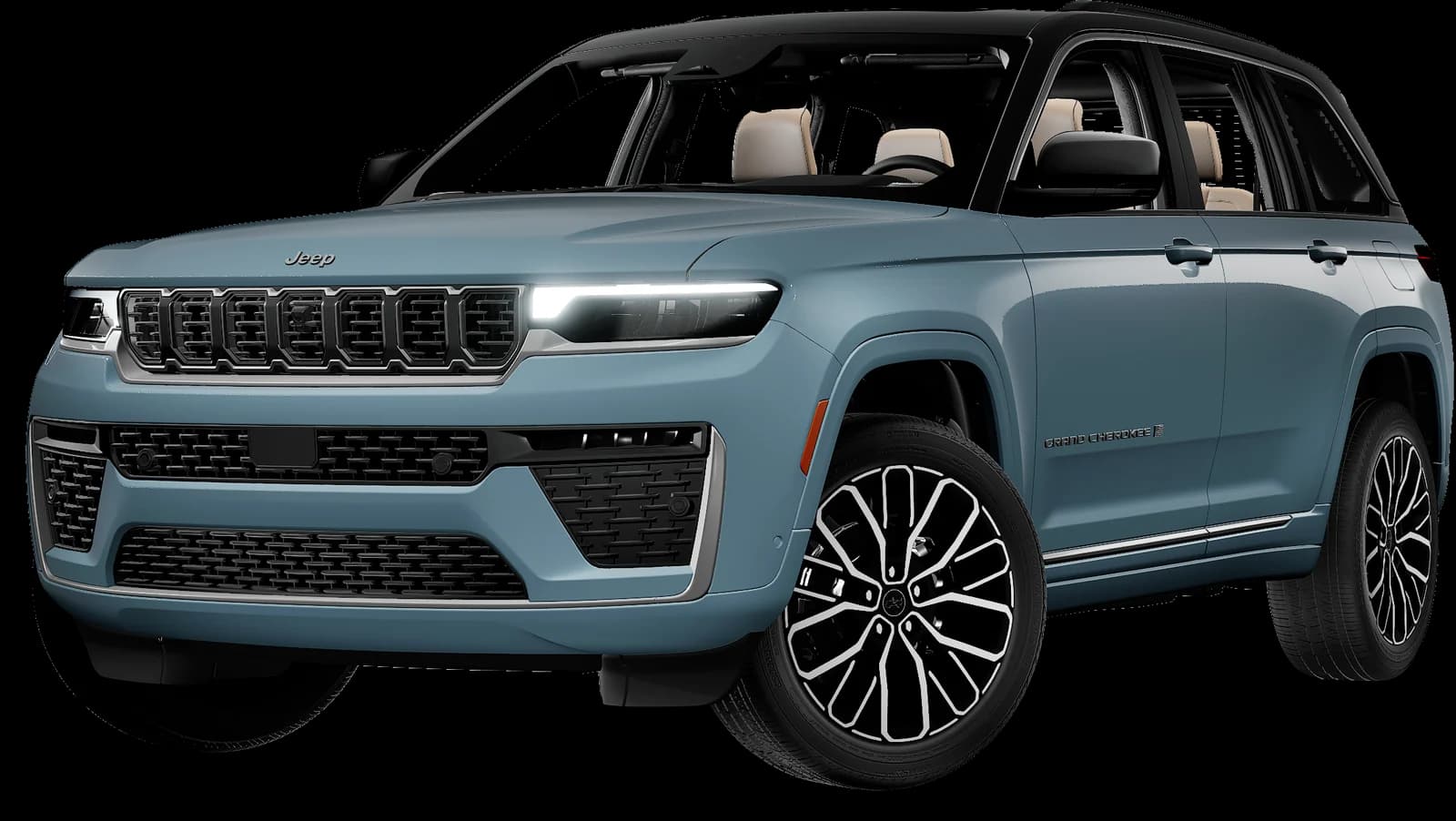
Flooding is a constant. Norfolk is among the East Coast's most flood-prone cities, with streets going under during high tides and heavy rain, which makes ground clearance and underbody care a real concern. The Grand Cherokee's air suspension offers up to 10.9 inches of clearance, and 11.4 on the Trailhawk. Military families moving in often want room for gear and a third row: the Durango seats up to seven and tows 7,200 pounds as standard for a boat. The Pacifica fits families at 140.5 cubic feet of cargo space. If you expect to deploy, ask a dealer about storage options for the vehicle. For tunnel and bridge rules, including restrictions on certain cargo, check VDOT.
Richmond and the I-95 spine
Richmond sits where I-95 and I-64 cross, and the city anchors a busy corridor that runs from Fredericksburg to Petersburg and east toward Williamsburg. Truck traffic is steady, weekend traffic toward the beaches and Northern Virginia is heavy, and road work is a fixture. The city itself has historic neighborhoods such as the Fan and Church Hill, with narrow streets and tight parking, and the James River draws kayakers, anglers and cyclists.
For a Richmond buyer who splits time between city blocks and highway stretches, the Compass and Cherokee give compact dimensions, 4x4, and 59.8 or 62.2 cubic feet of cargo space with the seats folded. A driver who commutes north on I-95 and wants a more comfortable highway ride will find the Grand Cherokee's 2.0-liter Hurricane turbo, rated at 324 horsepower, quiet at cruising speed. Pickups for outdoors enthusiasts include the Ram 1500, which starts at $42,575 and offers a 5-foot-7-inch or 6-foot-4-inch bed. Ice storms occasionally hit central Virginia, and a 4x4 on winter-rated tires is worth having. Check VDOT 511 for live conditions on I-95 before you head out.
Shenandoah, Skyline Drive and Roanoke's Blue Ridge
West of Charlottesville and Harrisonburg, the Shenandoah Valley runs between the Blue Ridge and the Alleghenies. Skyline Drive follows the ridge in Shenandoah National Park, and the Blue Ridge Parkway continues south past Roanoke and Floyd into North Carolina. Speeds are low, wildlife is common, and fog, ice and fall leaf traffic can slow everything down. Parts of both roads close in winter or after storms, so check the National Park Service for status.
Roanoke is the main city here, with the Star on Mill Mountain overlooking the valley. Mountain driving rewards steady engines and good brakes. The Grand Cherokee's 4x4 trims tow 6,200 pounds to mountain campgrounds. The Cherokee Trailhawk and Compass Trailhawk, with 9.0 and 8.6 inches of clearance, are right for forest roads and snowy drives. The Wrangler starts at $36,635 for those who want removable doors and a top for the overlook views. Buyers who tow campers might consider the Gladiator at up to 7,700 pounds. Allow extra fuel on long stretches where stations are far apart, and keep the tank above a quarter before entering the parks.
Southside, the Piedmont and rural Virginia
South of Richmond and east of the Blue Ridge, Virginia is tobacco barns, peanut fields, timber and small towns such as Danville, South Boston and Farmville. Roads are two-lane, shoulders are soft, and deer are a constant hazard at dusk, especially in fall. Many households in Southside need a truck for work, and the nearest service shop can be an hour away.
The Ram 1500 starts at $42,575 and can tow up to 11,530 pounds. For farm and equipment haulers, the Ram 2500 starts at $48,040 and the 3500 at $49,340, with the 3500 listing up to 37,020 pounds of towing with the Cummins diesel and 7,580 pounds of payload with the HEMI. Those are preliminary figures. The Gladiator is a smaller pickup, from $43,895, with a 60.3-inch bed and a 22-gallon tank for long rural stretches. Before you buy, ask about service intervals and where warranty work is done, since rural buyers often travel for it. Keep a spare, a jack and basic recovery gear for dirt lanes. For road status and county closures after storms, check VDOT.
Virginia buyer FAQ
What is the best vehicle for a Northern Virginia commute?
For fuel economy, the Jeep Cherokee hybrid, rated up to 39 mpg city and 37 combined, and the Compass at 21 city and 29 highway are strong choices. Families may prefer the Pacifica at 19 city and 28 highway. Express lane access and requirements change, so check VDOT before you plan around them.
How do I deal with flooding in Norfolk and Virginia Beach?
Avoid driving through standing water, especially at high tide, since salt water damages brakes and electronics. A higher-riding vehicle helps, such as the Grand Cherokee with up to 10.9 inches of clearance on its air suspension. After any flooding, rinse the underbody and have the vehicle checked by a service department.
Which model suits Skyline Drive and Blue Ridge Parkway trips?
The Grand Cherokee is the comfortable highway pick, the Cherokee Trailhawk and Compass Trailhawk cover forest roads, and the Wrangler is the open-air choice. Conditions and closures are set by the National Park Service, so check its status pages before you go, especially in winter and after storms, and carry extra fuel range through the parks.
Do I need a heavy-duty truck in rural Southside Virginia?
Only if you haul heavy equipment or large trailers. The Ram 1500 tows up to 11,530 pounds and covers many farm tasks. The 2500 and 3500 step up to preliminary ratings of 20,000 and 37,020 pounds with the Cummins diesel. Match payload and towing numbers to your actual trailer, and ask a dealer which axle ratio and hitch package the truck needs.
More Southeast guides