Comparison
EV and Hybrid Picks for D.C., Baltimore and Richmond Commuters
The Wagoneer S, Charger Daytona, Recon and Cherokee Hybrid compared for Beltway and I-95 commutes: range, charging times, size and parking realities.
By the Southeast CDJR editors · Updated November 7, 2026 · 5 min read
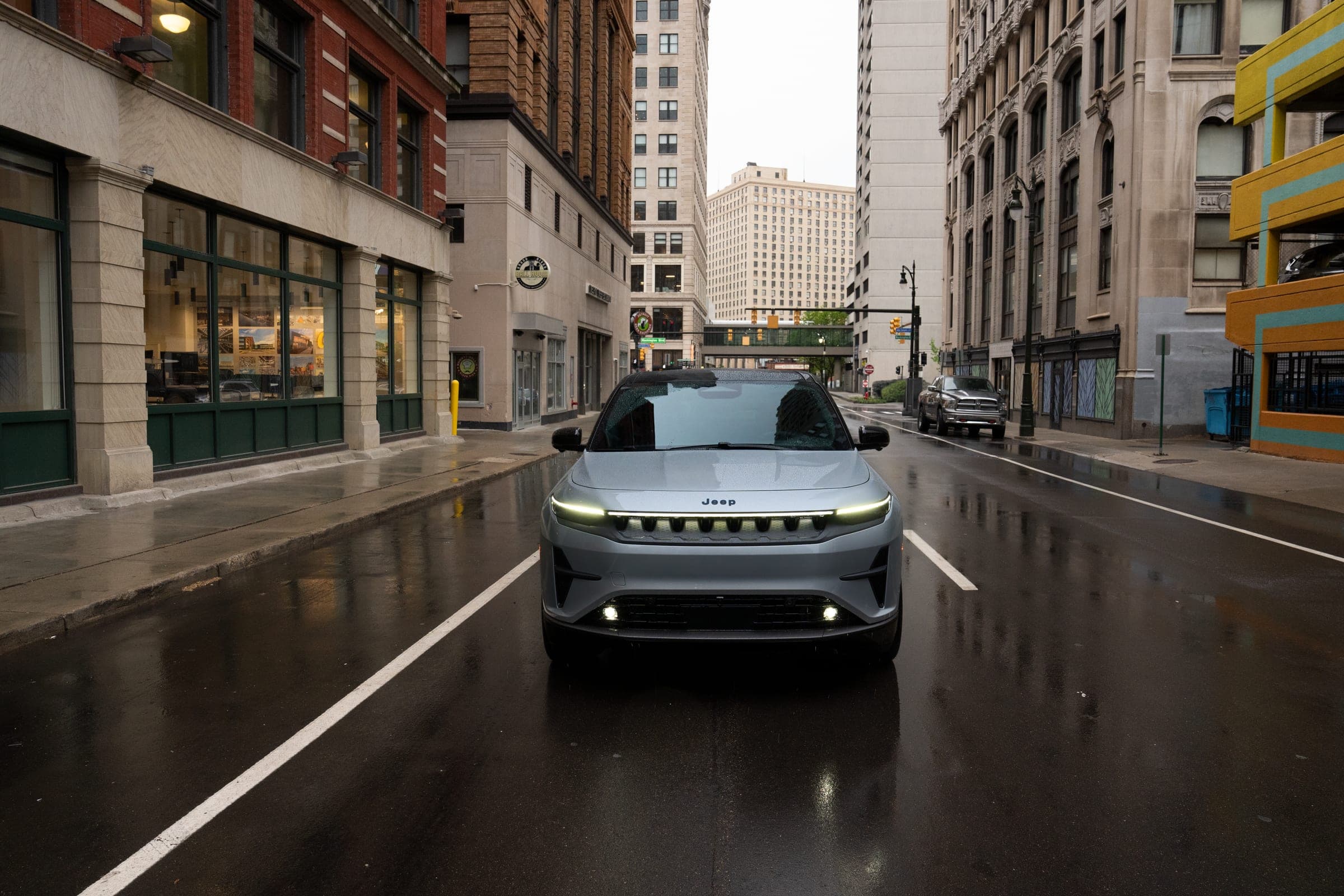
Commuting between Richmond, Washington and Baltimore means a lot of stop-and-go driving. The Capital Beltway, I-95, I-395, I-66 and the Baltimore Beltway all produce long stretches at a crawl, followed by short bursts of speed. That pattern is where electric and hybrid powertrains make the most sense, and it is why four electrified models from Jeep and Dodge deserve a look from anyone driving in the region every day.
Incentives, lane eligibility and registration costs for electrified vehicles vary by state, county and toll operator, and they change often. This article leaves those out. Check the official Maryland, Virginia and D.C. sources before you buy.
Why traffic favors electrified drivetrains
A gas engine is least efficient at low speeds and in idling traffic, because it burns fuel while the car moves slowly or sits still. A battery-electric car uses almost no energy standing still and recovers some energy every time you slow down, through regenerative braking. A conventional hybrid works on the same principle at smaller scale: the electric motor handles low-speed creep and the battery refills when you brake.
That is why the Jeep Cherokee's fuel-economy numbers look the way they do. Jeep estimates up to 39 mpg in the city and 37 combined, with the EPA listing 35 mpg on the highway for non-Trailhawk trims. The city figure is higher than the highway figure, which is the reverse of most gas vehicles and a good sign for a Beltway commuter.
The four options side by side
| Wagoneer S | Recon Moab | Charger Daytona | Cherokee Hybrid | |
|---|---|---|---|---|
| Type | Battery electric | Battery electric | Battery electric | Self-charging hybrid |
| Listed range | 294 miles | up to 222 miles | up to 267 miles | over 500 miles per tank (Jeep estimate) |
| DC fast charge | 20-80% in about 23 min | 5-80% in about 28 min | 20-80% in about 27 min on a 350 kW charger | no plug |
| Level 2 charge | about 6 hr (20-80%) | about 6.8 hr (5-80%) | 11 kW onboard charger | no plug |
| Level 1 (120V) | about 32 hr (20-80%) | about 52 hr (5-80%) | not listed | no plug |
| Length | 192.4 in | 193.3 in | 206.6 in | 188.1 in |
| Starting MSRP | $65,200 | $66,995 | $77,490 (two-door) | $35,130 |
Prices are before destination and change. The Wagoneer S data is for model year 2025, the Recon for 2026, and the Charger and Cherokee for 2027. Range figures are manufacturer or EPA ratings, not guarantees; cold weather, high speeds and heavy loads cut them.
Wagoneer S: the commuter EV with the longest range
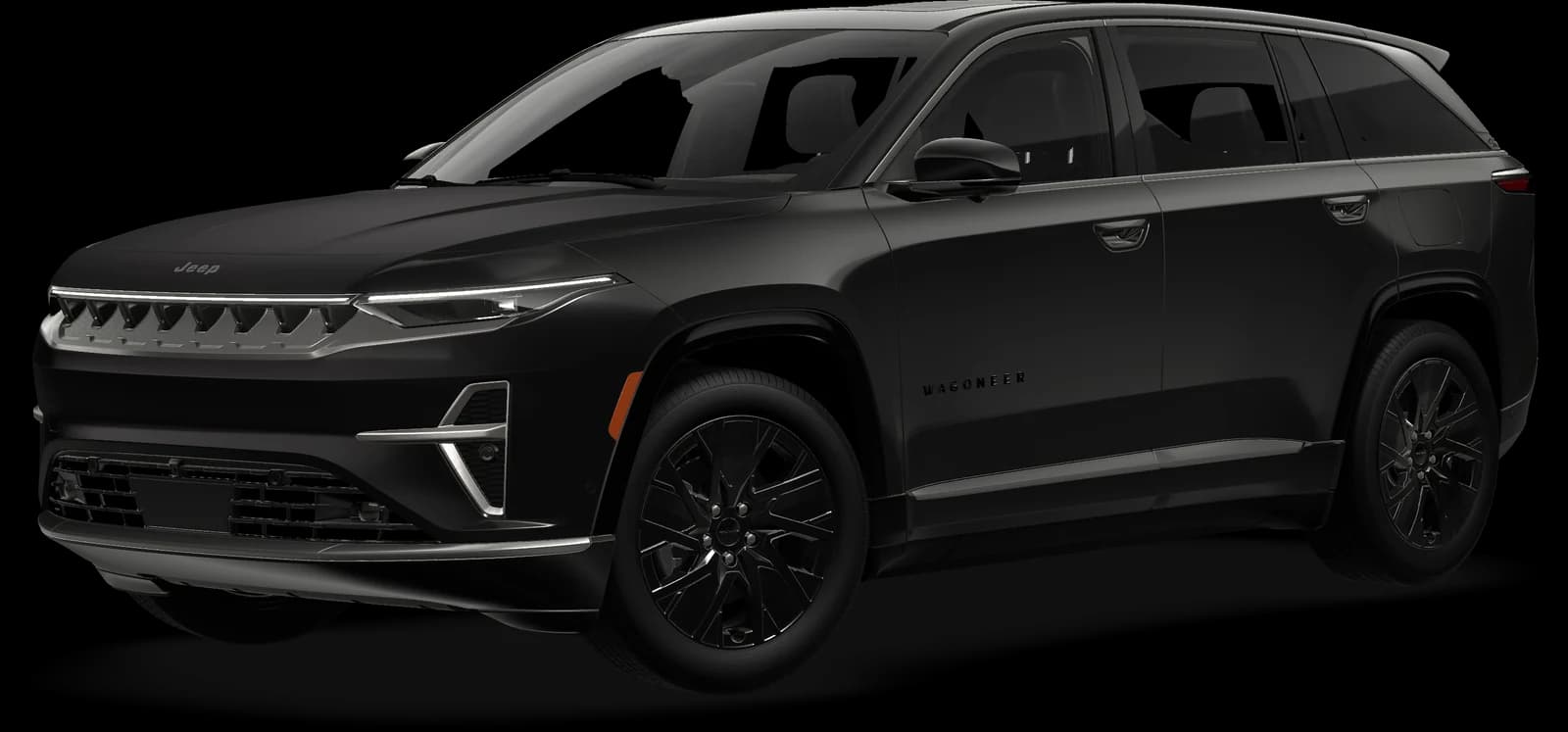
The Wagoneer S carries a 100.5-kWh battery and an EPA rating of 294 miles with its standard tires, or 262 with the Pirelli option. It makes 500 hp, or 600 with the Launch Edition or the Propulsion Boost option. At 192.4 inches long and 64.8 inches tall, it is compact enough for most garages. Cargo space is 61.0 cubic feet with the rear seat folded.
Jeep says each purchase or lease includes a 48-amp Level 2 home charger or public charging credits of equal value, which matters for people who can't install a charger at home. Ground clearance is only 6.4 inches, and it is designed for pavement and snow rather than trails.
Charger Daytona: a muscle car that is also a commuter
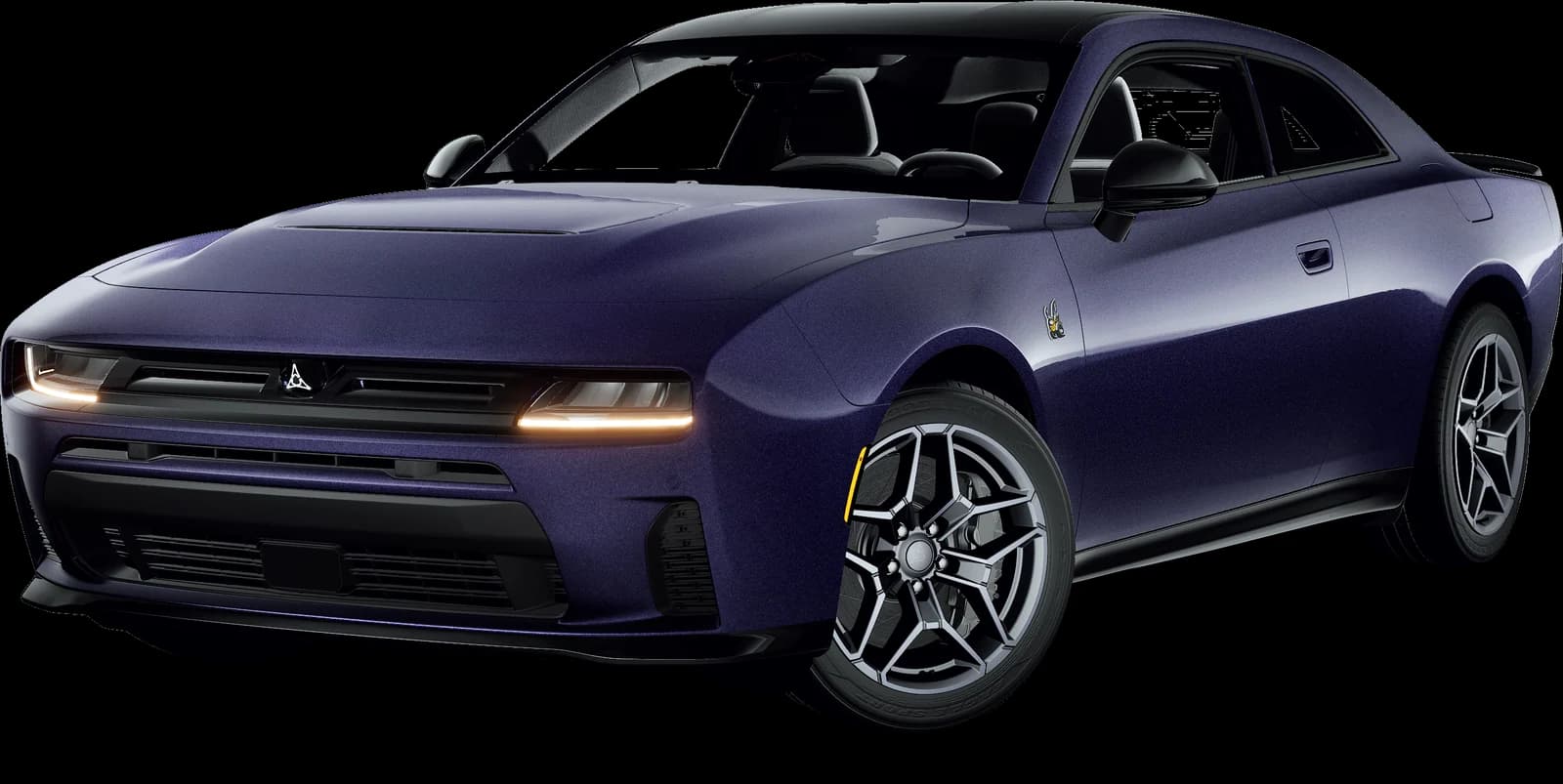
The Daytona Scat Pack Plus is rated up to 267 miles from a 100.5-kWh battery, of which 93.9 kWh is usable, with 231 to 241 miles on other tire packages. It has a standard NACS charge port and 183 kW peak charging. The 11 kW onboard charger is the useful number for home or garage use. By a rough estimate worked out from the usable battery size, a full charge from empty would take roughly 8.5 hours on a charger that delivers the full 11 kW. Real-world times run longer because of charging losses.
The Daytona is the largest and lowest of the four, at 206.6 inches long and 5.5 inches of ground clearance. It also weighs more than 5,700 pounds. The upside is the hatch, which gives 22.2 cubic feet of cargo space in the two-door with the seats up. It also needs good parking: the car is 79.9 inches wide without mirrors, so older D.C. garage spaces can be a squeeze.
Recon: the open-air EV
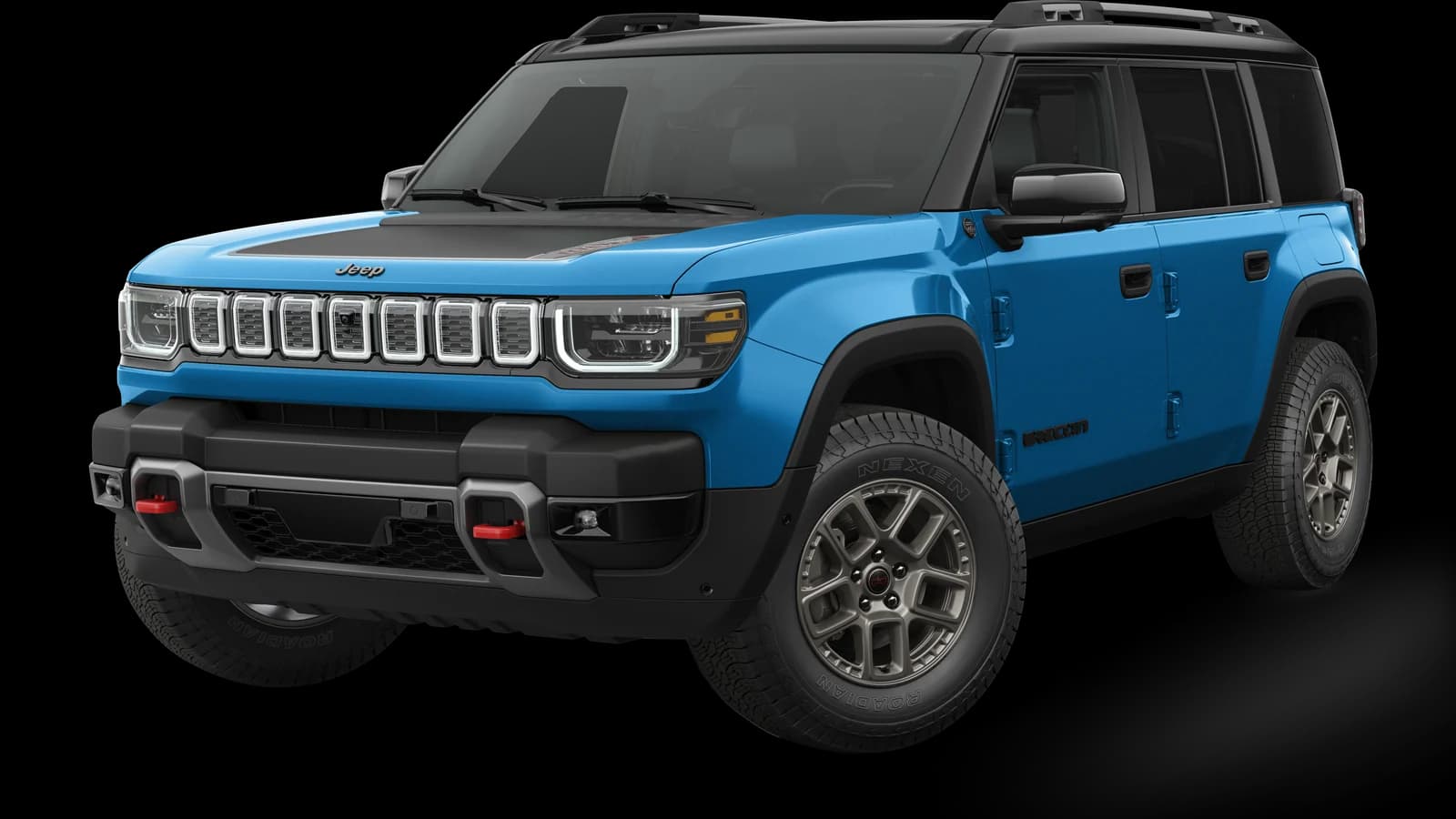
The Recon is a Wrangler-style EV with removable doors, 670 hp and a 100.5-kWh battery, and the Moab trim is rated for up to 222 miles. Charging is quick on DC, at about 28 minutes from 5 to 80 percent, but slow on a household outlet, at about 52 hours for the same stretch. Its 87.4-inch width at the mirrors and 40.5-foot turning diameter make it the most awkward of the four in a tight garage. It makes sense for someone who also wants weekend trails, less so for a purely urban commuter.
Cherokee Hybrid: no plug, no charging plan
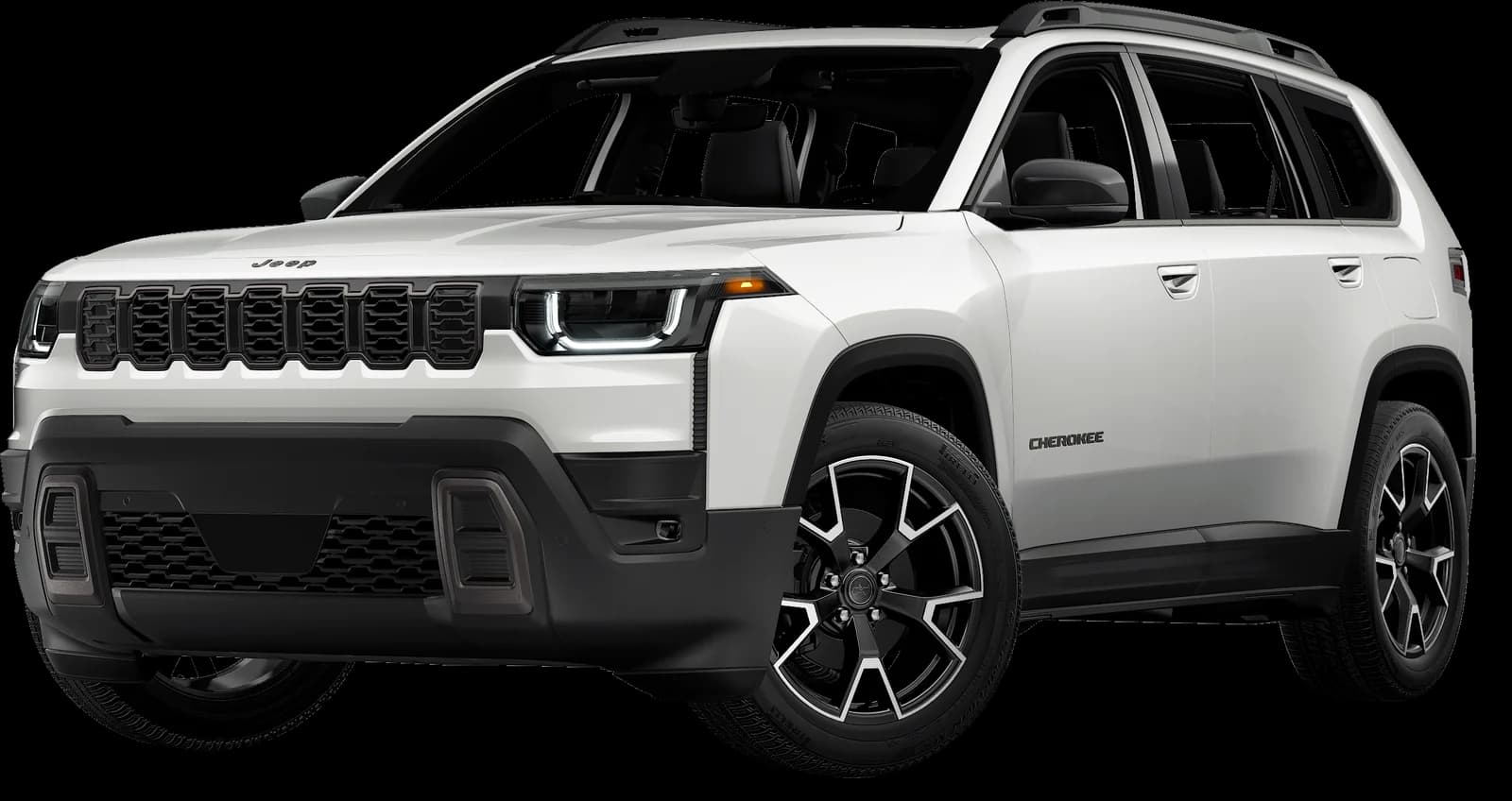
The Cherokee's 1.6-liter turbo engine and electric motors make 210 hp combined, and its small 1.08-kWh battery is charged by braking, so there is nothing to plug in. Four-wheel drive is standard, the tank holds 13.7 gallons, and Jeep estimates more than 500 miles per tank. It starts at $35,130 and is the smallest of the group at 188.1 inches long.
For many apartment dwellers, that is the main selling point. An EV is only as practical as the place you charge it, and a hybrid removes that variable.
Apartments, street parking and garage size
Charging at home is the foundation of EV ownership, and in the D.C. area many commuters live in rowhouses, condos or apartment buildings with no driveway. The listed Level 1 times above are the reason a standard outlet isn't a real plan for the 100-kWh models: more than a day for the Wagoneer S, and more than two days for the Recon.
Before buying, ask your building or landlord whether a shared Level 2 charger exists or can be installed, find out whether public chargers near home or work are reliable and available overnight, and check whether your employer offers charging. Fast chargers usually cost more per kilowatt-hour than home power, so relying on them every week adds up. If none of those options is dependable, the Cherokee Hybrid is the safer pick.
Garages and curbside spaces in Arlington, Capitol Hill, Fells Point and Richmond's Fan District were built for smaller vehicles. The Cherokee and Wagoneer S, both about 192 inches or less, will fit in more places than the 206.6-inch Charger. Measure your garage and look at the tight spots on your route before you sign.