Southeast guides · NC
North Carolina Driving: Outer Banks Sand, Blue Ridge Curves and Booming Metros
North Carolina has barrier-island beaches, the Blue Ridge Parkway, fast-growing cities and a long hurricane history, all within one state. This guide covers Charlotte, Raleigh, Greensboro, Wilmington and Asheville and suggests Chrysler, Dodge, Jeep and Ram models for each. Prices are starting MSRP, and the details below should be confirmed with official sources.
Our picks for North Carolina
Outer Banks sand, ferries and NC 12
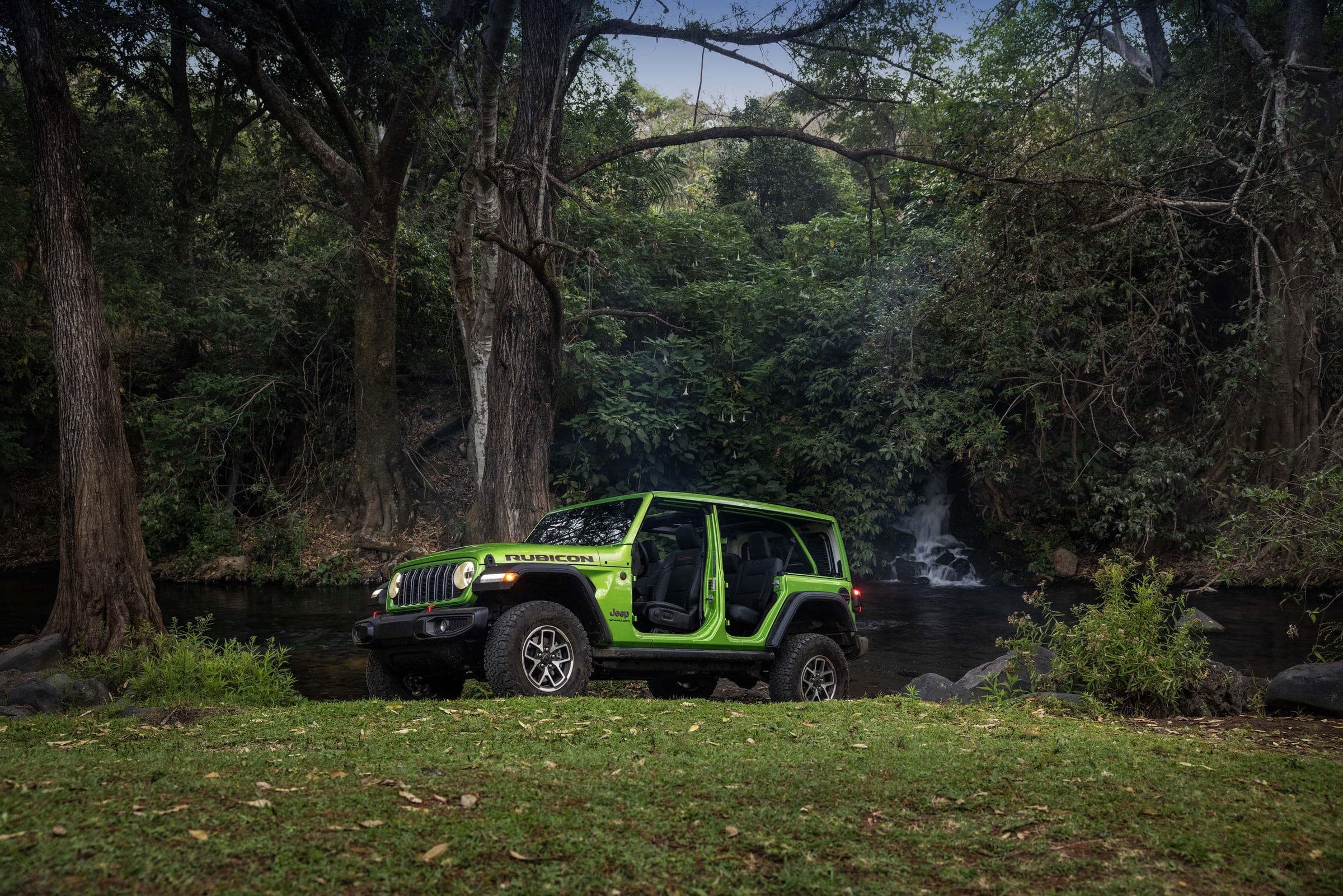
The Outer Banks are a chain of barrier islands, and one main road, NC 12, ties together much of the stretch from Nags Head to Hatteras and Ocracoke. Parts of the road wash over in storms, and the ferries add a wait in summer. Some beaches allow vehicles on the sand, which is why Wranglers and trucks with fishing rod holders are a common sight.
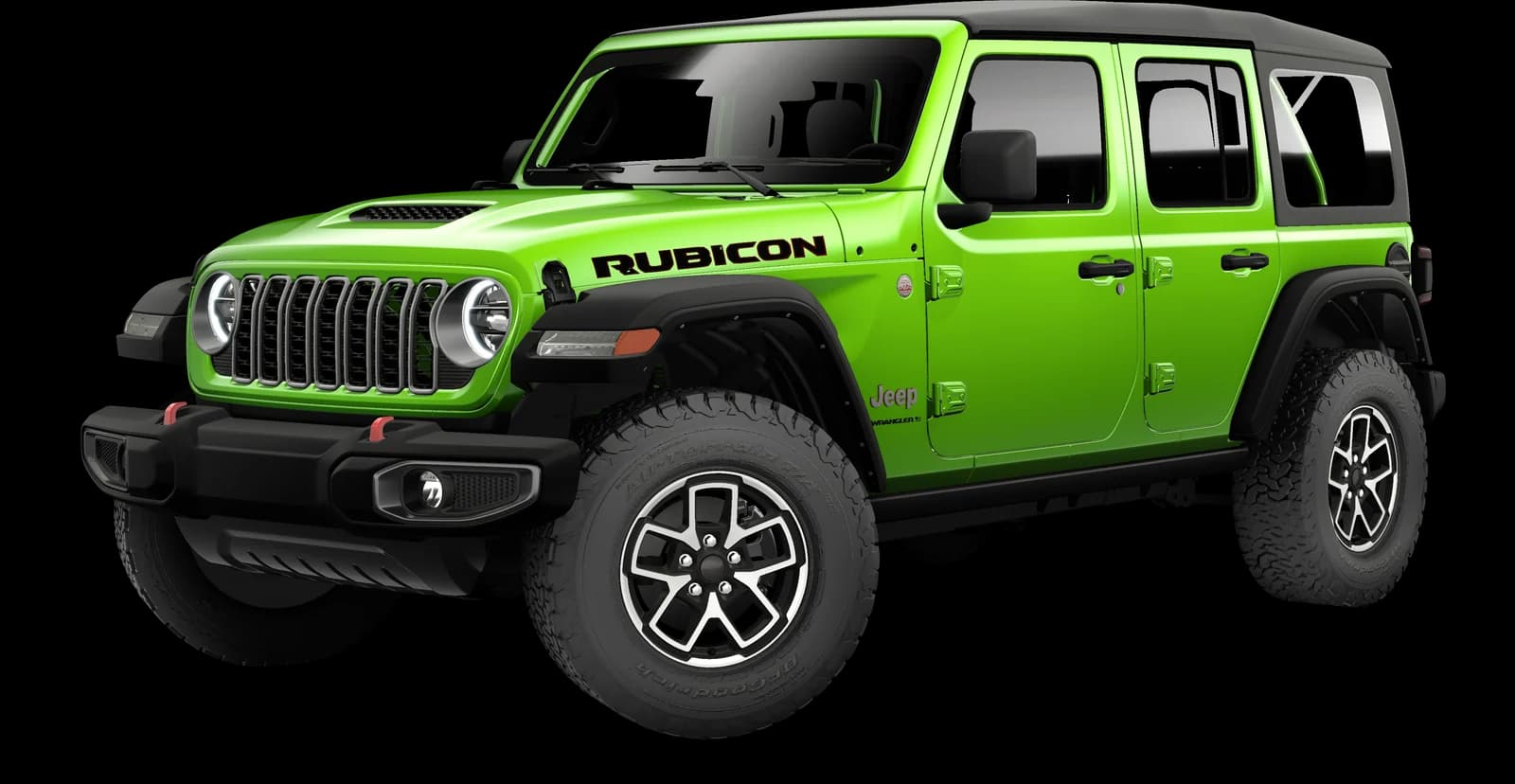
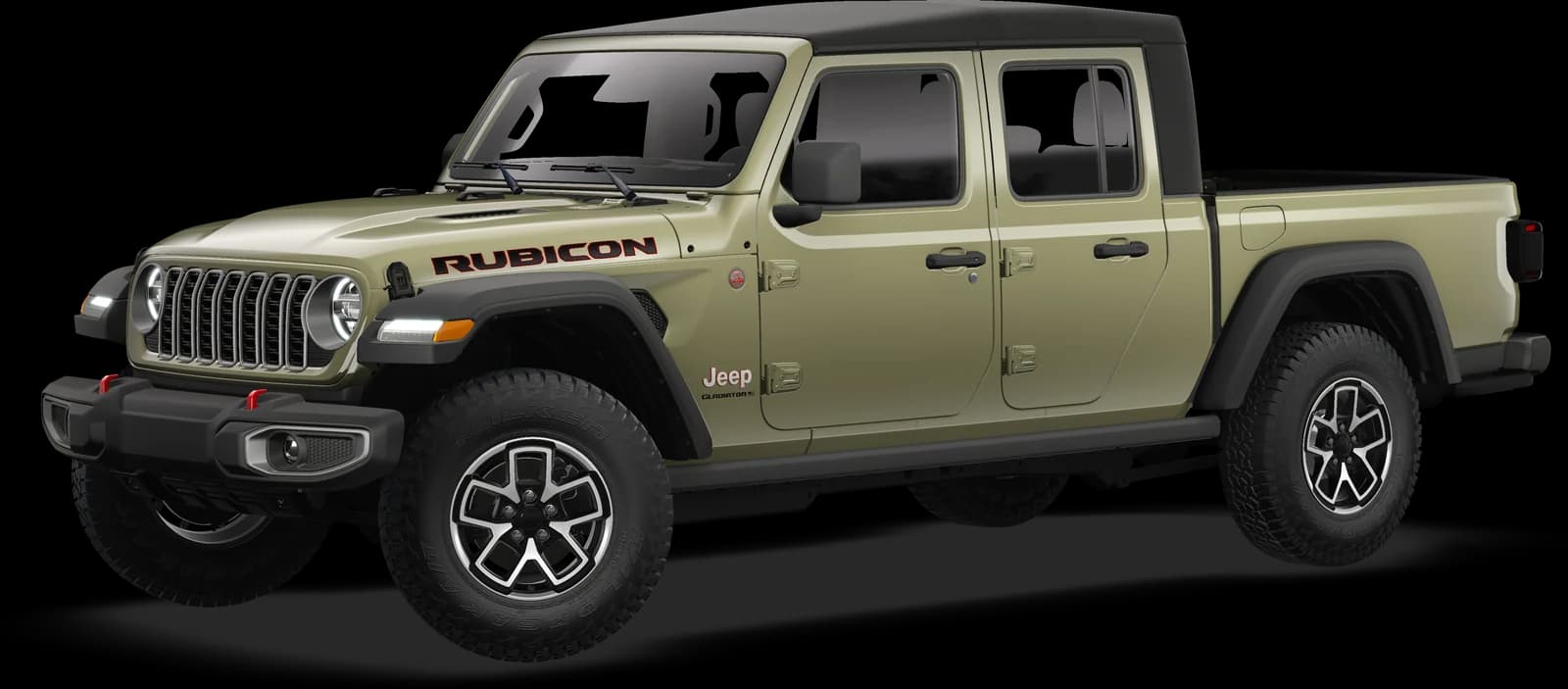
The rules for beach driving, including permits, seasons, closures and required equipment, are set by the National Park Service, Currituck County and other managers, and they change. Check the official source before you plan a trip. As for the vehicle, a 4x4 with good clearance is the baseline. The Wrangler lists up to 12.9 inches of clearance and starts at $36,635; the Gladiator adds a pickup bed from $43,895. Sand favors lighter vehicles and the right tire pressure, and recovery gear such as traction boards and a shovel matters more than size. Rinse the whole underside after every trip, including brakes and suspension, because salt and sand work in quickly. Electric vehicles may find limited charging near the beaches, so they suit the paved parts of the Banks better than the sand.
Blue Ridge Parkway, Asheville and the high country
The Blue Ridge Parkway curls through western North Carolina at low speeds, with overlooks, tunnels and long climbs between Asheville, Boone and Blowing Rock. Winter ice closes sections of the Parkway, and storm damage in recent years has also altered routes in the mountains, so check the National Park Service and NCDOT for current closures before you plan a drive.
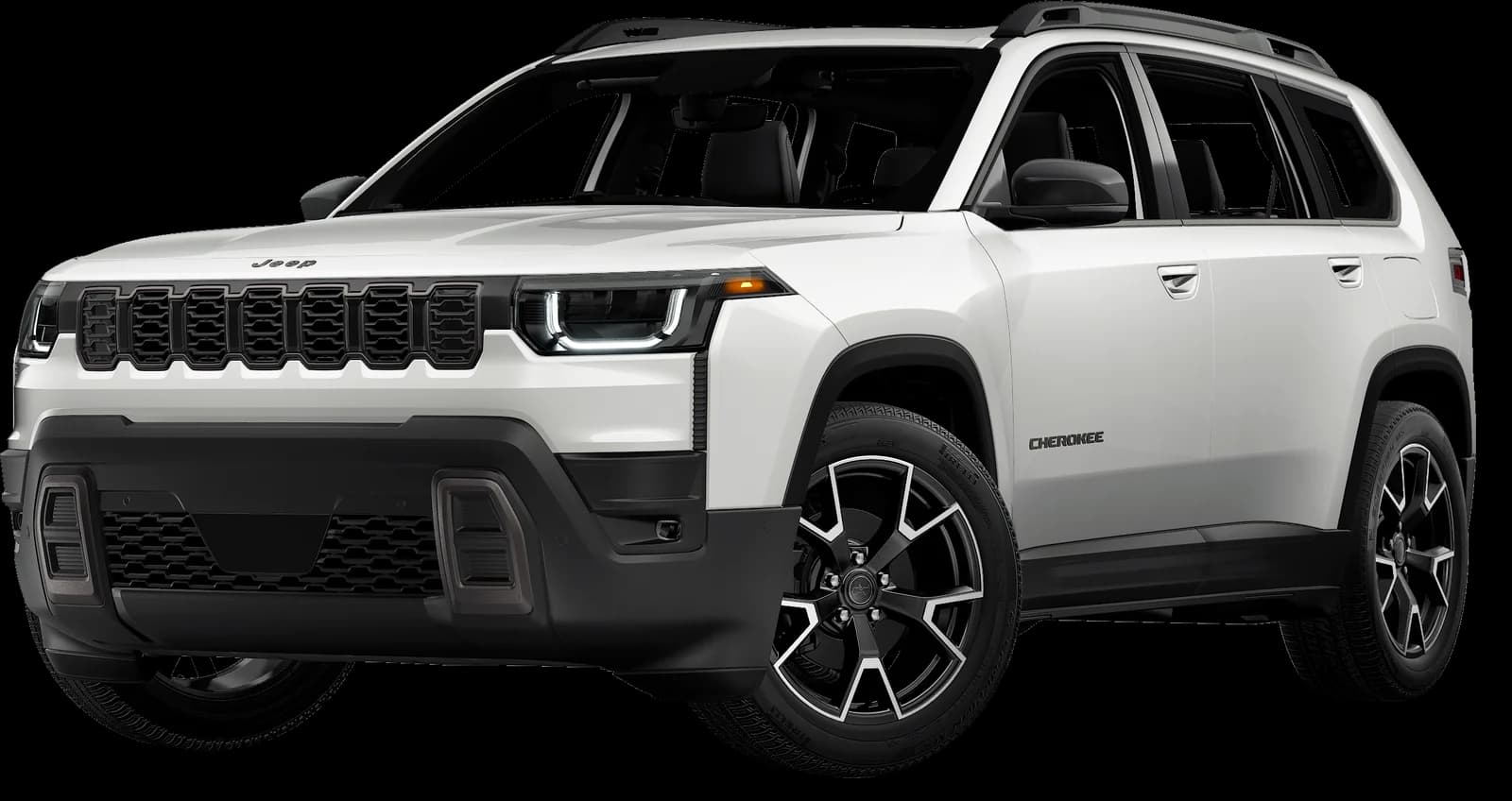
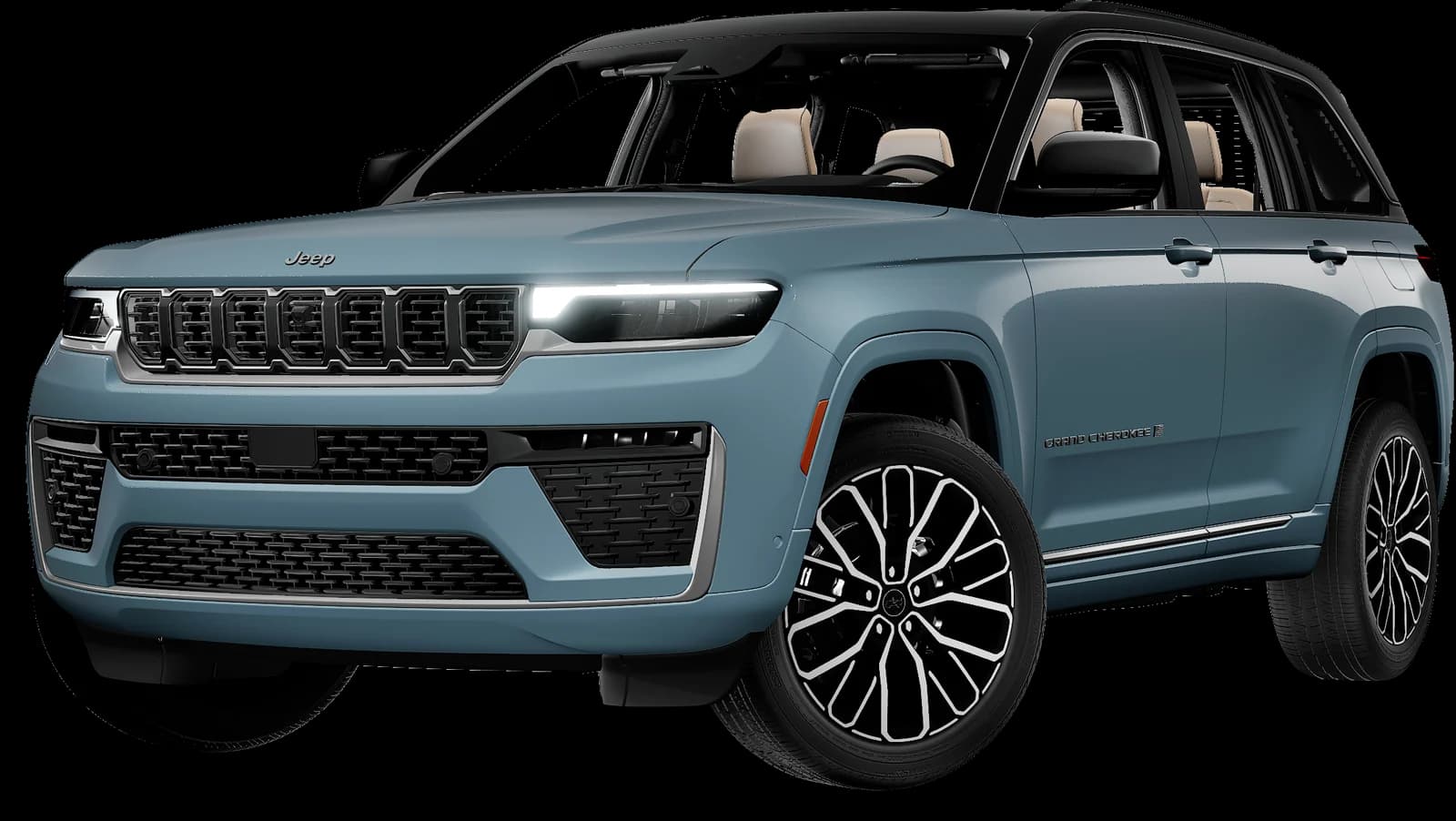
Grades and curves favor vehicles with strong engines and good brakes. The Grand Cherokee's 324-horsepower Hurricane turbo four or its 293-horsepower V6 handle the climb, and its models tow 6,200 pounds to mountain campgrounds. The Cherokee Trailhawk, with 9.0 inches of clearance, and the Compass Trailhawk, with 8.6, are good for forest roads and snowy driveways around Asheville. In winter, tires matter more than badges. For steep gravel driveways in Boone or Highlands, a Wrangler Rubicon with solid axles and up to 12.9 inches of clearance is the most capable pick. Mountain towns have narrow streets and limited parking, so a compact body is convenient: the Cherokee is 188.1 inches long.
Charlotte, the Triangle and the Triad: growth corridors
Charlotte, Raleigh-Durham and the Piedmont Triad of Greensboro, Winston-Salem and High Point are among the fastest-growing metros in the Southeast. I-77, I-85, I-485, I-40, I-440 and I-540 add traffic as quickly as the state can add lanes. Many drivers commute long distances, and sprawl stretches trips further.
Buyers here tend to split into two groups. The first wants a comfortable commuter: the Cherokee hybrid at up to 39 mpg city, or the Compass at 29 highway. The second wants performance. The Charger R/T starts at $49,995 with a 420-horsepower twin-turbo six, all-wheel drive and a 4.6-second 0-60 time, and the Scat Pack lists 550 horsepower from $55,845. For an EV, the Charger Daytona Scat Pack Plus starts at $77,490 and lists up to 267 miles and a standard NACS port. Check charger locations on your regular routes before you commit. Families moving to the suburbs often cross-shop the Pacifica at $41,595 and the Durango at $43,875, which tows 7,200 pounds as standard.
Hurricanes, flood plains and the Wilmington coast
North Carolina takes tropical systems from the Outer Banks to Cape Fear. Past storms have cut roads into Wilmington and flooded eastern river valleys for days after the rain ended, because rivers crest well after a storm passes. That second wave is easy to underestimate. Residents in Wilmington, New Bern and the Crystal Coast need an exit plan before the forecast turns.
Vehicle choice should favor range and ground clearance. A full Durango tank gives roughly 540 highway miles by a rough estimate from 24.6 gallons and 22 mpg, and the Pacifica's 19 gallons at 28 mpg gives about 530. Wilmington's mix of beach, port and military traffic makes US-17 and I-40 dense in the run-up to a storm. Do not drive through floodwater, regardless of any fording rating: the Cherokee's 24 inches and the Wrangler's 30 to 34 inches assume clean water under controlled conditions. After a storm, check for water damage, mold in the cabin and corroded connectors. Contractors rebuilding afterward often choose a ProMaster, which lists up to 4,750 pounds of payload, or a Ram 2500. Use NC Emergency Management for evacuation zones.
North Carolina buyer FAQ
What do I need to drive on Outer Banks beaches?
Rules, permits, seasons and equipment requirements are set by the National Park Service, the counties and other managers, and they change often. Check the official park or county website before each trip. On the vehicle side, plan on 4x4, good clearance, recovery gear and a thorough rinse of the underside afterward.
Which Jeep is best for the Blue Ridge Parkway and Asheville?
The Grand Cherokee is the comfortable all-rounder for mountain highways, with up to 324 horsepower and 6,200 pounds of towing. The Cherokee Trailhawk (9.0 inches of clearance) and Compass Trailhawk (8.6) suit forest roads. The Wrangler Rubicon is the pick for rough private drives. Check NPS and NCDOT for closures first.
Is the Dodge Charger practical for a Charlotte or Raleigh commute?
The gas Charger R/T lists 17 city and 26 highway mpg with all-wheel drive from $49,995, so it is workable as a daily car. The Daytona Scat Pack Plus lists up to 267 miles and a standard NACS port, but it starts at $77,490. Cargo space is up to 38.0 cubic feet in the four-door with seats folded.
Where can I check hurricane evacuation zones in North Carolina?
Use NC Emergency Management and your county emergency office, which publish zone maps, shelter locations and route guidance. Coastal counties also issue their own orders. Review the zone for your address at the start of each season, and keep fuel above half during storm watches. Evacuation orders can be issued county by county, so know whether your address falls in a zone that is told to leave first.
More Southeast guides