Buyer guide
Hurricane Evacuation Vehicle Checklist for the Southeast: Range, Cargo and Towing
What to check before a storm: tank range, seats and cargo, towing a boat or trailer out, onboard power, and where the vehicle you leave behind should sit.
By the Southeast CDJR editors · Updated November 7, 2026 · 5 min read
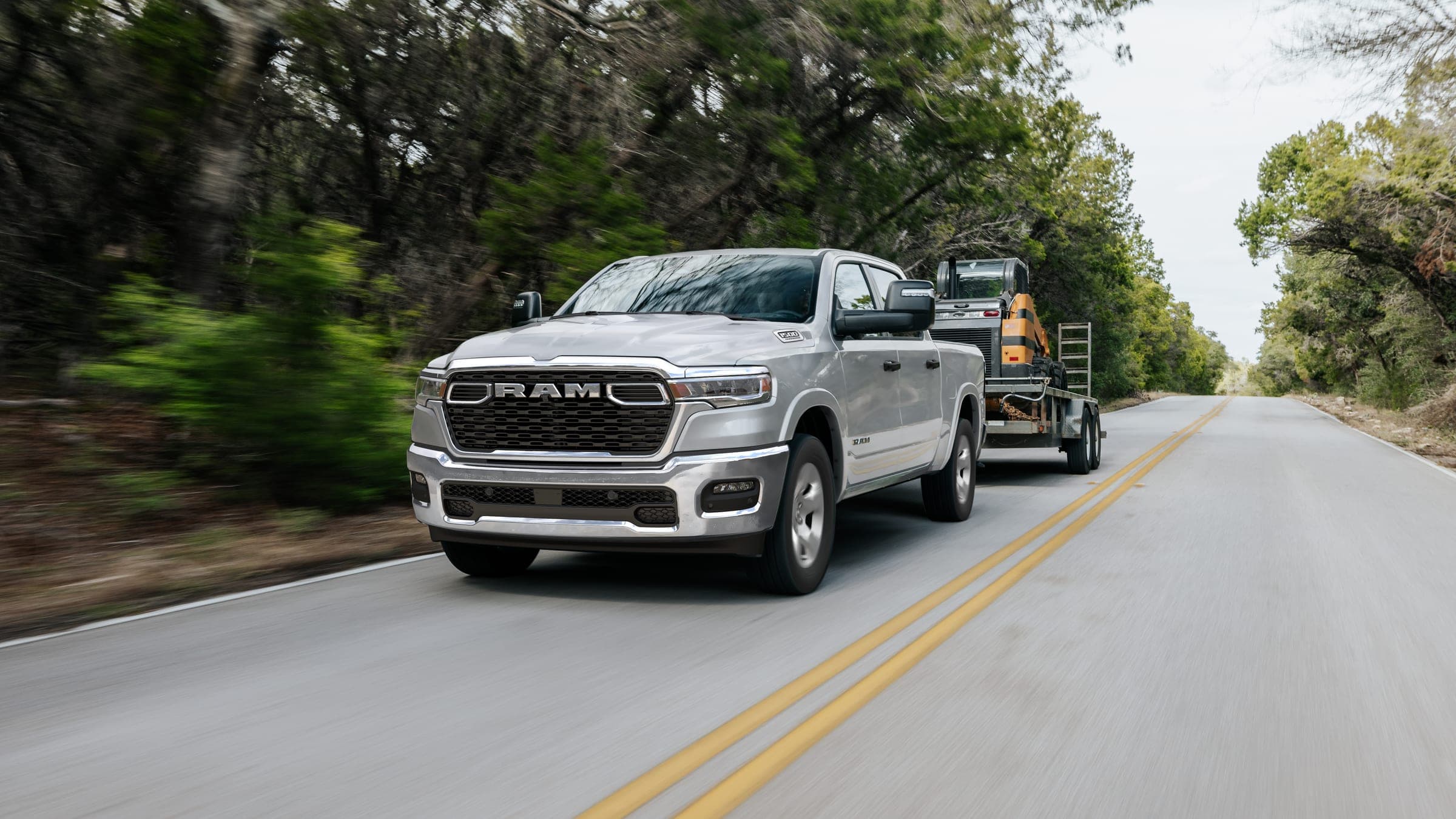
An evacuation is a different test from a normal road trip. The route might be I-95 out of Jacksonville or Norfolk, I-26 inland from Charleston, I-16 west from Savannah, I-75 north out of Florida or I-4 across the peninsula. Lanes can be slow for hours, fuel stops get crowded, and everything you own that matters has to ride in or behind the vehicle. This checklist compares six Chrysler, Dodge, Jeep and Ram models on the things that matter in that situation.
Range per tank is only a starting point
Start with how far one tank goes. The figures in the table below are a rough estimate worked out by multiplying each model's listed fuel tank by its EPA highway mpg. Real evacuation range will be shorter, because crawling traffic, idling with the air conditioning running and a loaded vehicle all cost fuel.
| Model (configuration) | Tank | Highway mpg used | Rough highway range |
|---|---|---|---|
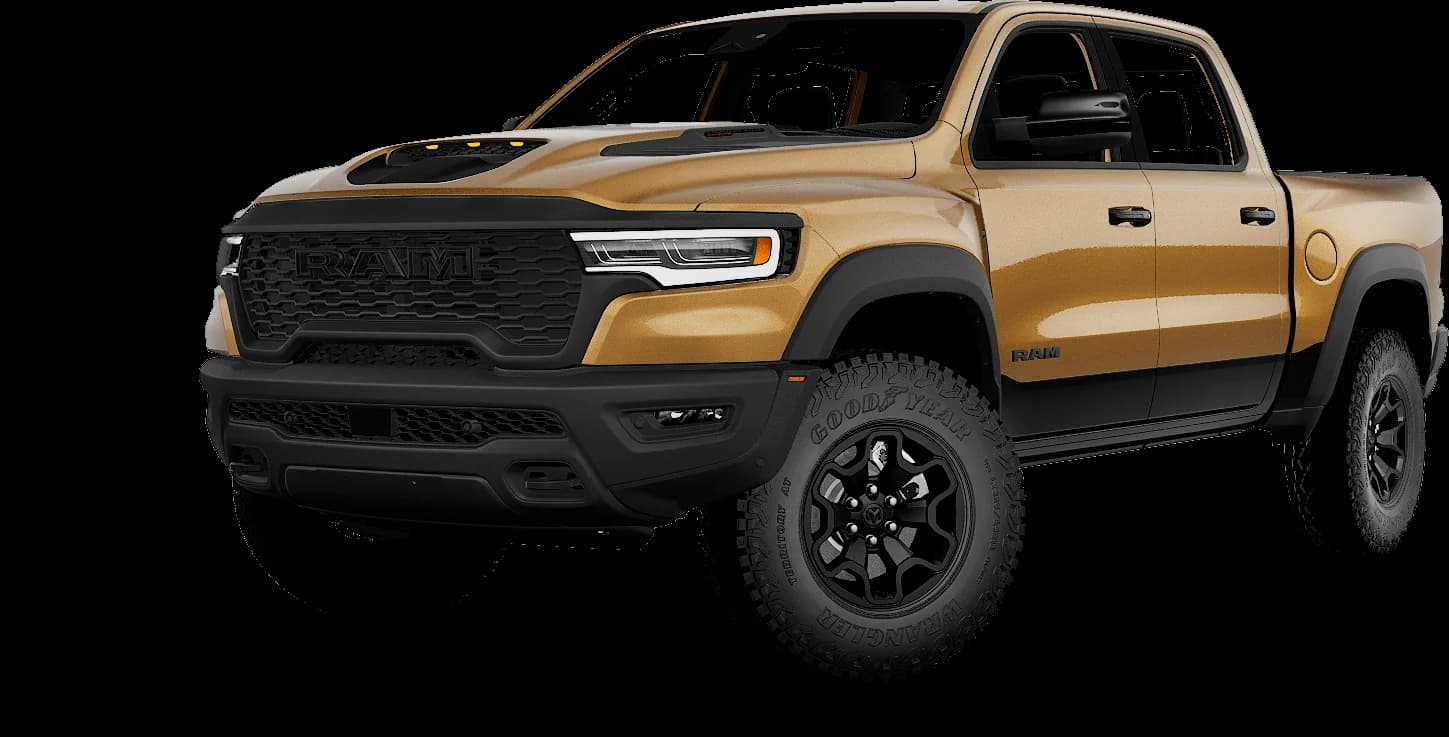
| Ram 1500, 3.6L V6 4x4, standard tank | 26 gal | 24 | about 624 miles |
| Ram 1500, same engine, optional tank | 33 gal | 24 | about 792 miles |
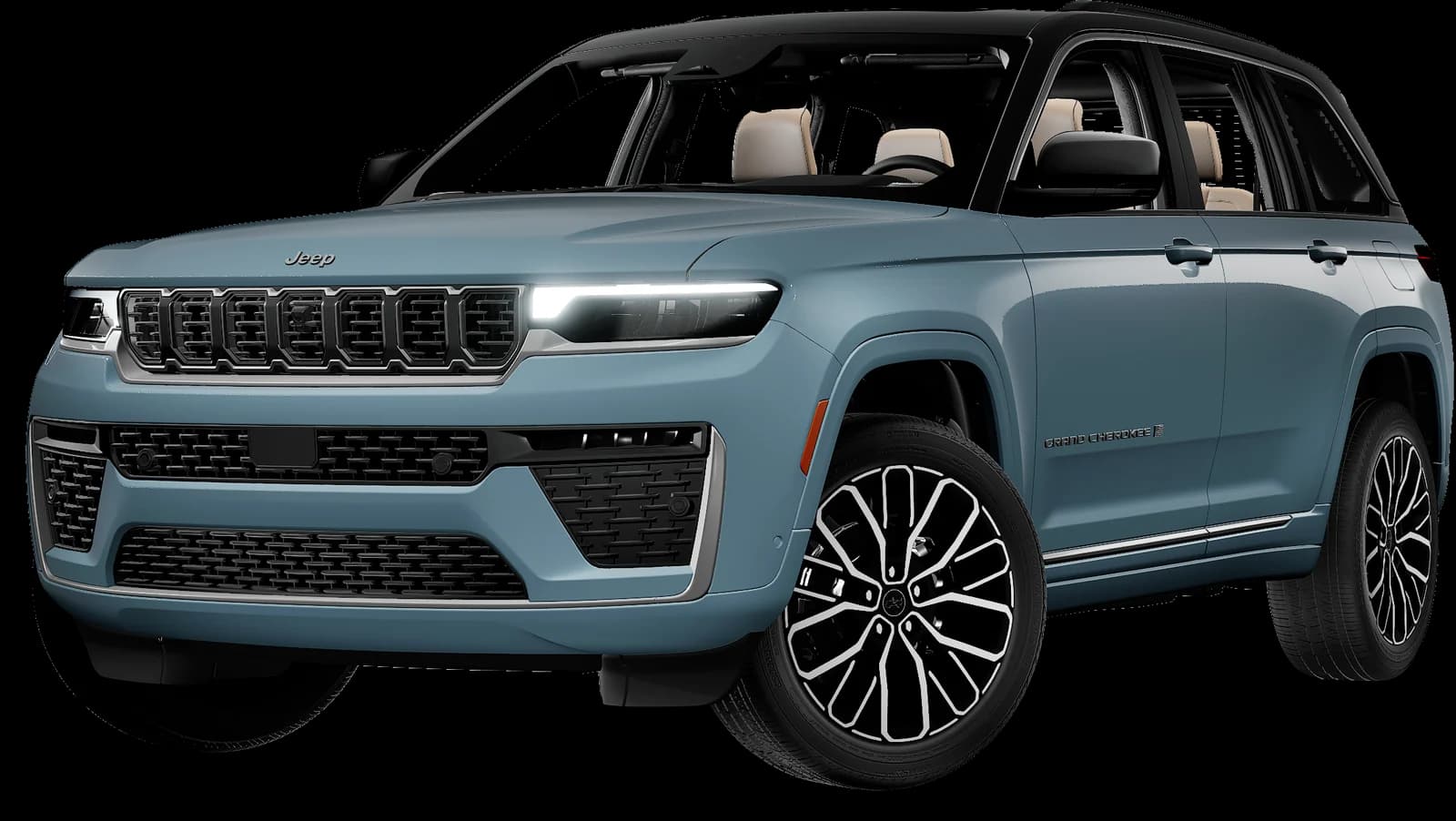
| Jeep Grand Cherokee / L, 4x4 | 23 gal | 25 | about 575 miles |
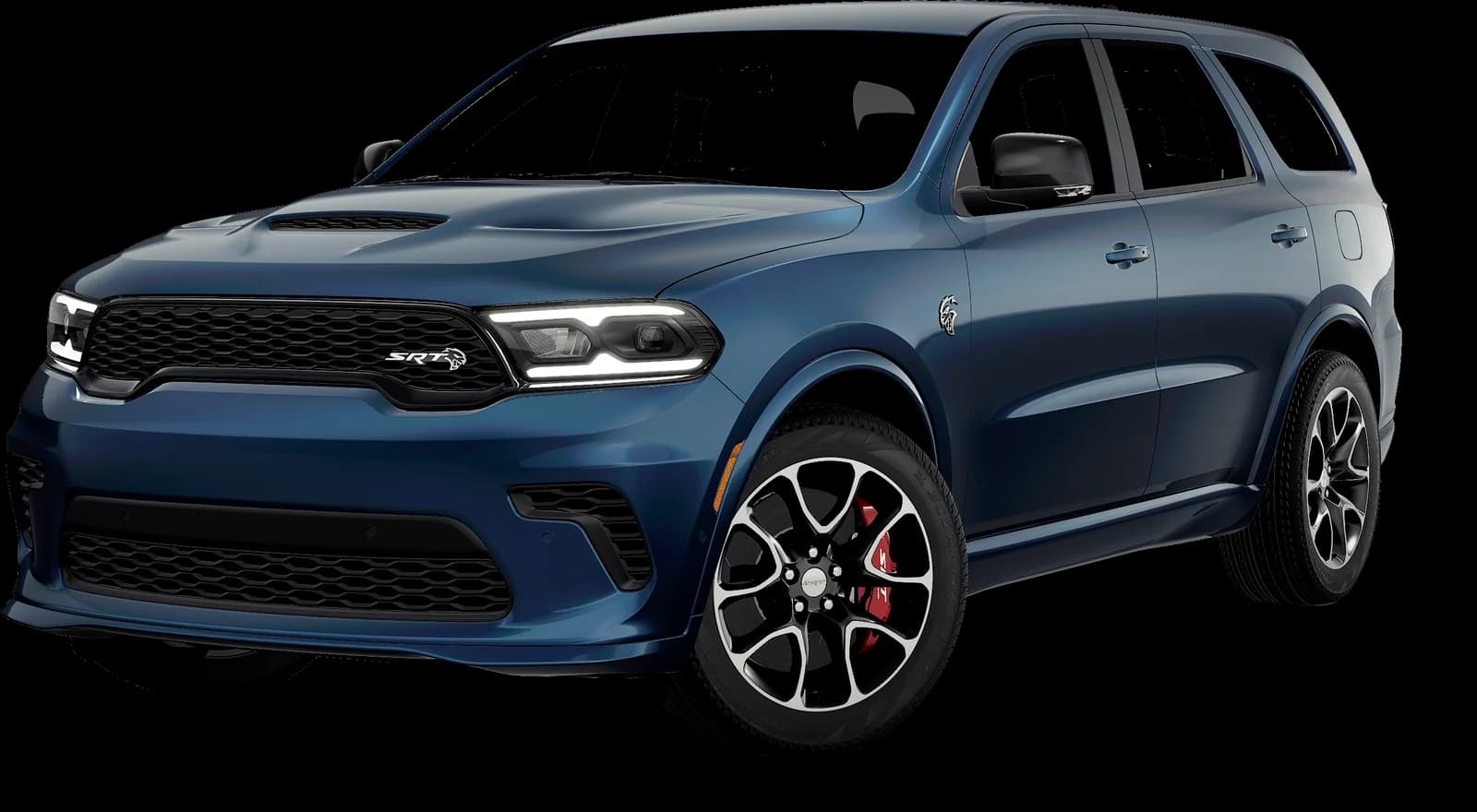
| Dodge Durango GT 5.7L V8 | 24.6 gal | 22 | about 541 miles |
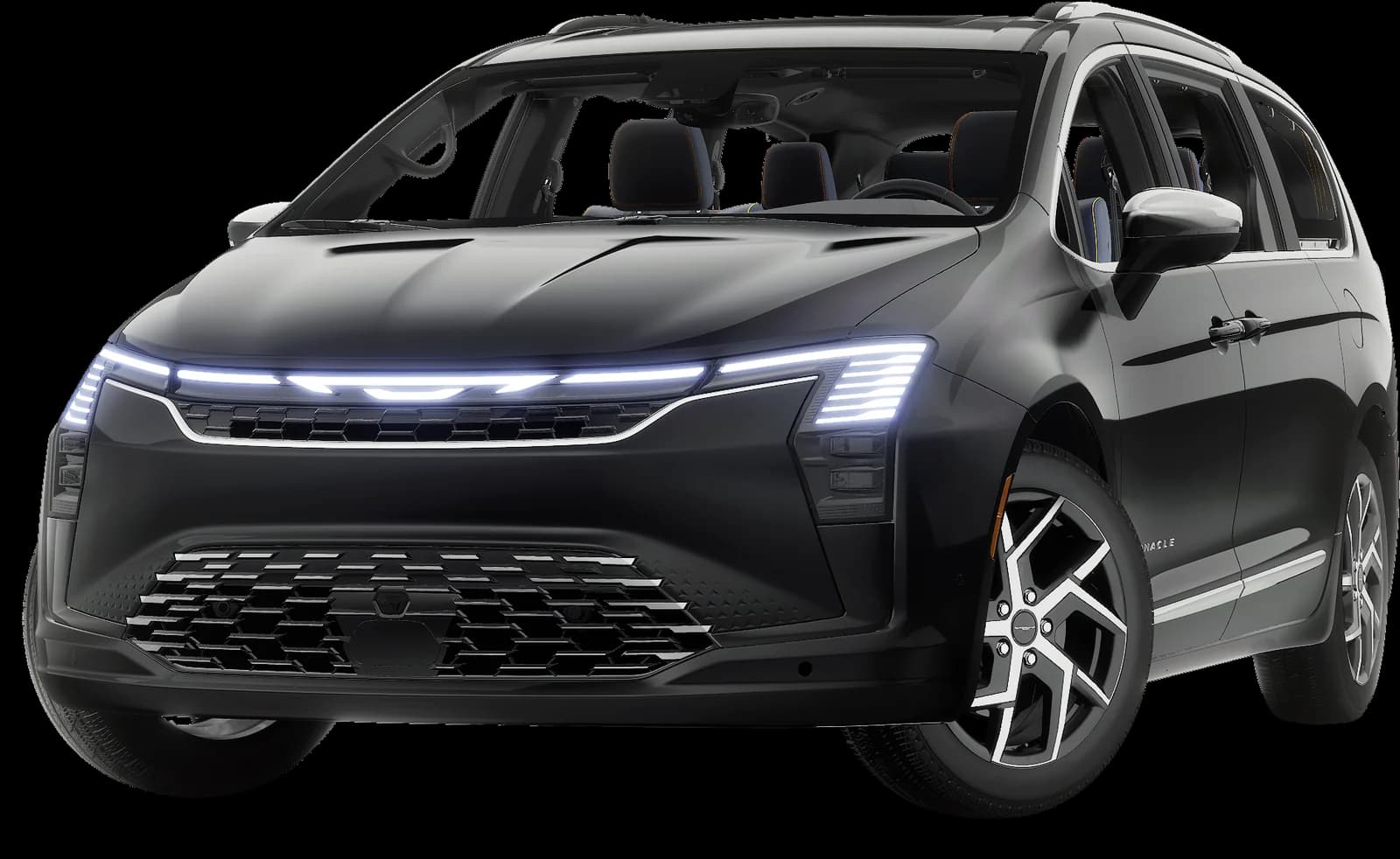
| Chrysler Pacifica, front-drive | 19 gal | 28 | about 532 miles |
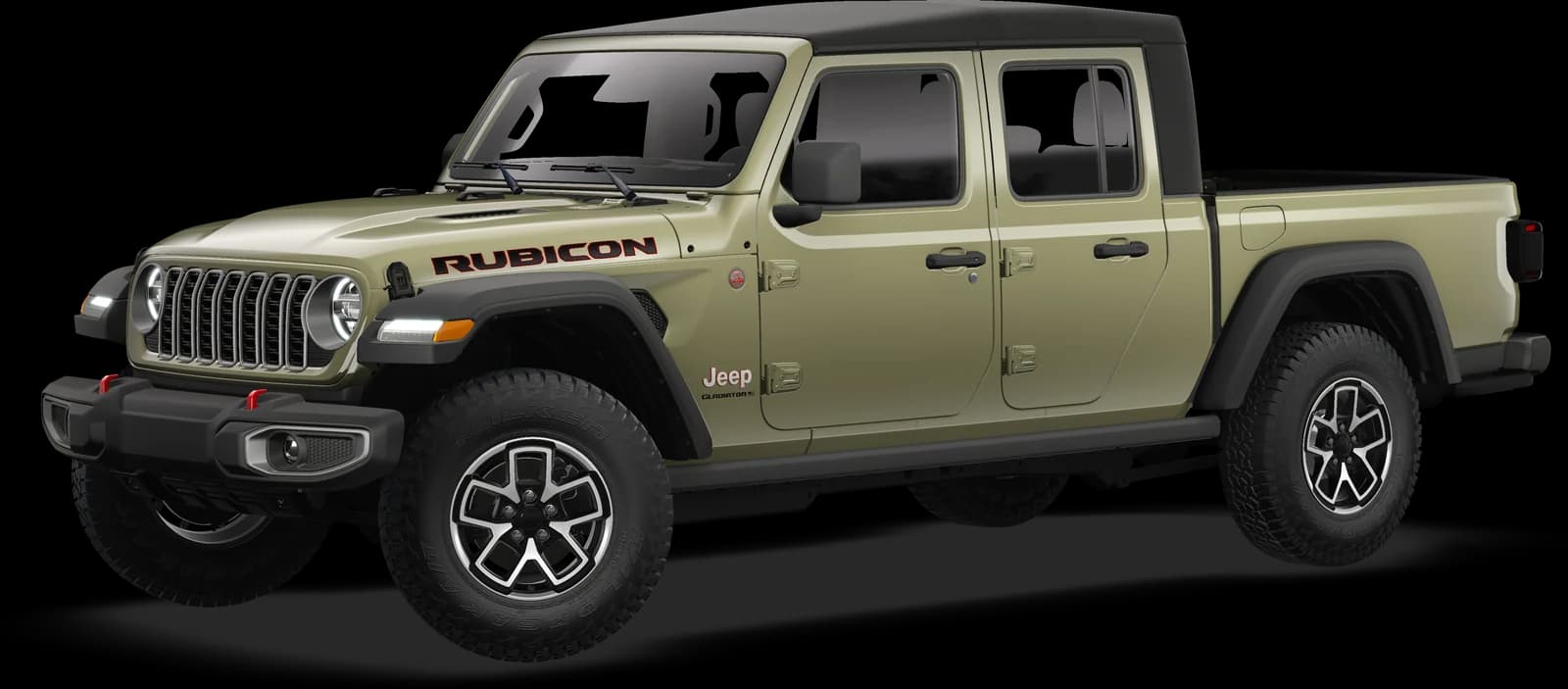
| Jeep Gladiator | 22 gal | 22 | about 484 miles |
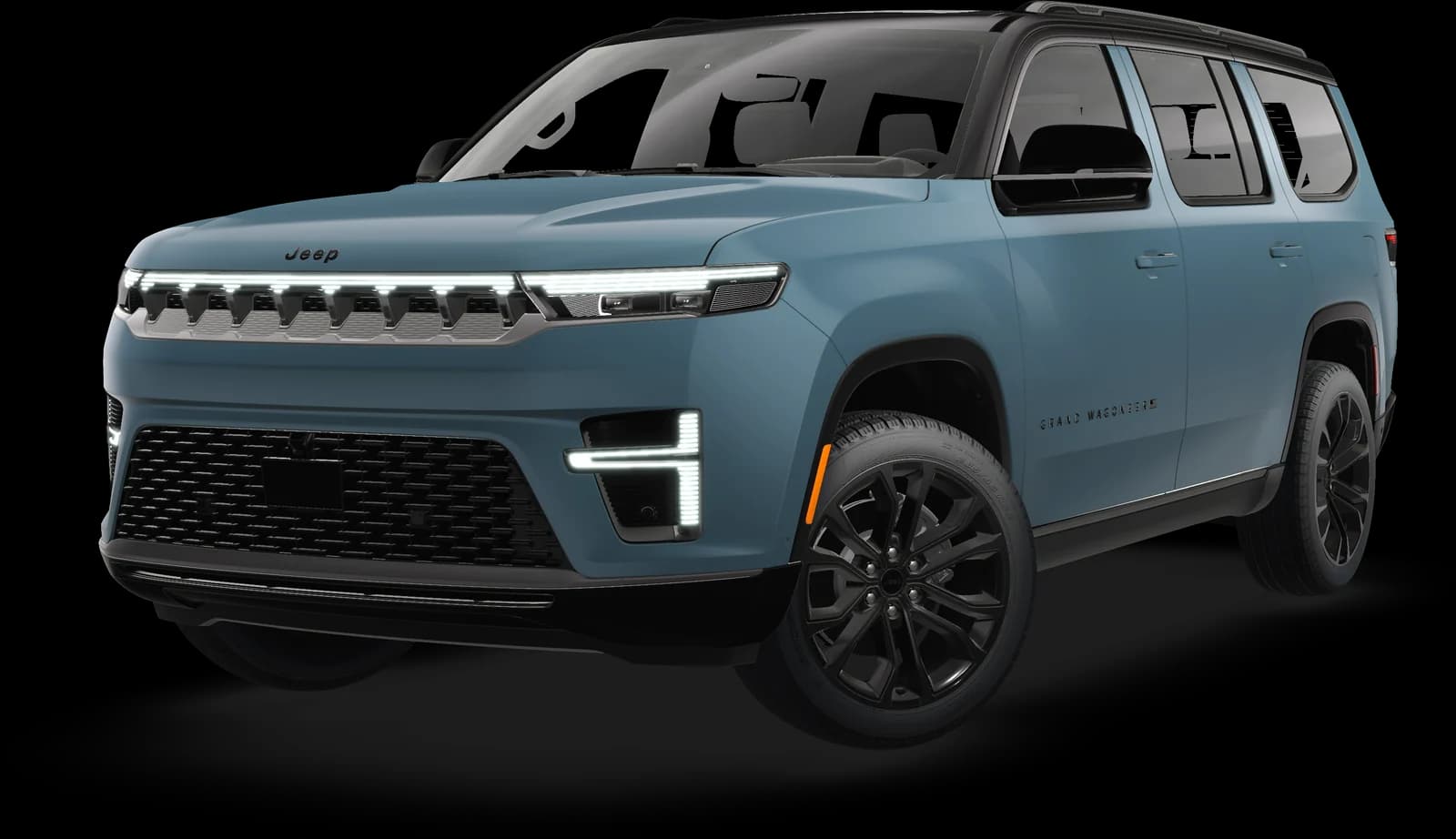
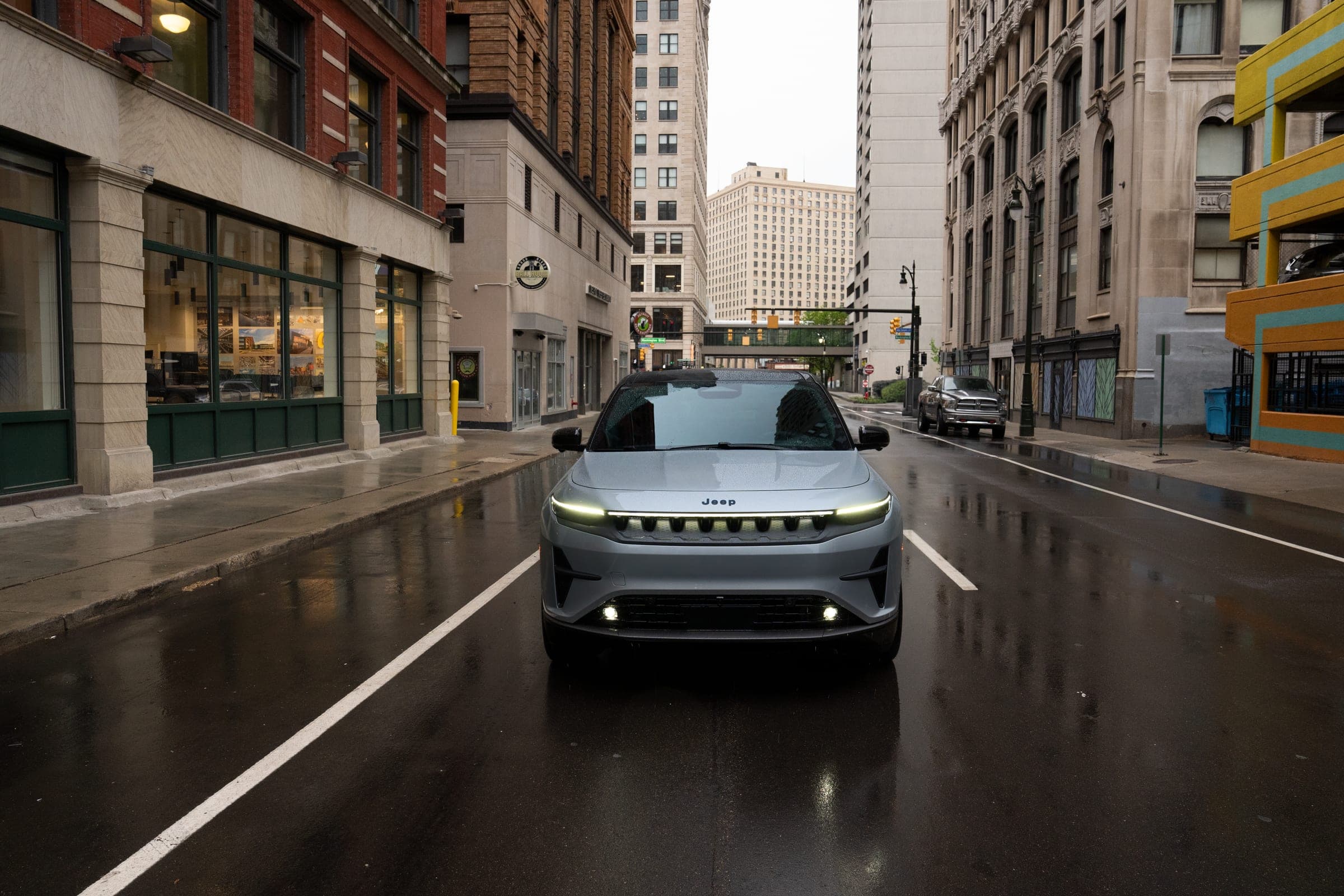
| Jeep Grand Wagoneer, 4x4 standard body | 26.5 gal | 21 | about 556 miles |
Two takeaways. The Ram's optional 33-gallon tank is the biggest single range gain on the list, and the Pacifica's modest tank is offset by good highway mileage. Whatever you drive, fill up when a storm is first named, not when the evacuation order comes. The fuel stations along these corridors tend to run dry first.
Seats, pets and cargo
Count people first, then crates and coolers. The Pacifica seats seven, or eight on Select with the second-row bench, and Chrysler lists 87.5 cubic feet behind the second row and 140.5 with the seats stowed. That is the most flexible space for a family, a large dog crate and several tubs of documents and supplies.
The Grand Wagoneer seats seven or eight and holds 70.8 cubic feet behind the second row. Behind the third row it has 27.9 cubic feet in the standard body and 42.6 in the long-wheelbase L. The Grand Cherokee L and the Durango are tighter with all seats occupied: both list 17.2 cubic feet behind the third row. Fold that row down and the Durango offers 43.3 cubic feet and the Grand Cherokee L 46.9.
For a household of four plus a pet, a two-row Grand Cherokee (up to 70.8 cubic feet with the rear seat folded) or a crew-cab Ram 1500 works, with the caveat that anything in a bed is exposed to rain. The Gladiator seats five and has a 35.5 cubic foot bed, so its cargo should be covered and strapped.
Also check payload, which is the weight limit for everything you add, including passengers, water and generators. The Ram 1500 lists up to 2,340 pounds with the V6, the Gladiator up to 1,720, and the Durango an estimated 1,350 pounds on the GT. Jeep gives the Grand Wagoneer an estimated 1,300 pounds.
Towing a boat or trailer out
Many Southeast households evacuate with a boat, a small camper or a utility trailer, because leaving a boat on a dock is a worse bet than moving it. Know your rating before you hitch up.
- Ram 1500: up to 11,530 pounds with the standard-output Hurricane six, 8,100 with the V6.
- Grand Wagoneer: up to 10,000 pounds in 4x4 with the 3.92 axle, and 9,860 for the L.
- Durango: 7,200 pounds on the GT, 8,700 with the Tow 'n Go package, which Dodge prices at $6,295 on the GT trims.
- Gladiator: up to 7,700 pounds on a Sport S with the 4.10 axle, and less on other trims.
- Grand Cherokee: 6,200 pounds.
- Pacifica: 3,600 pounds with the Trailer Tow Group.
Towing also cuts range. A loaded trailer behind any of these will pull highway mileage well below the numbers in the table, so plan fuel stops more often than you would unhitched. A hitch-ready vehicle matters too: Jeep's Trailer-Tow Package for the Grand Cherokee is $995 and adds a Class IV receiver hitch, and the Gladiator's Trailer Tow group is $995 on Sport S and Sahara. Prices change, so confirm them with a dealer.
Water depth is a ceiling, not a goal
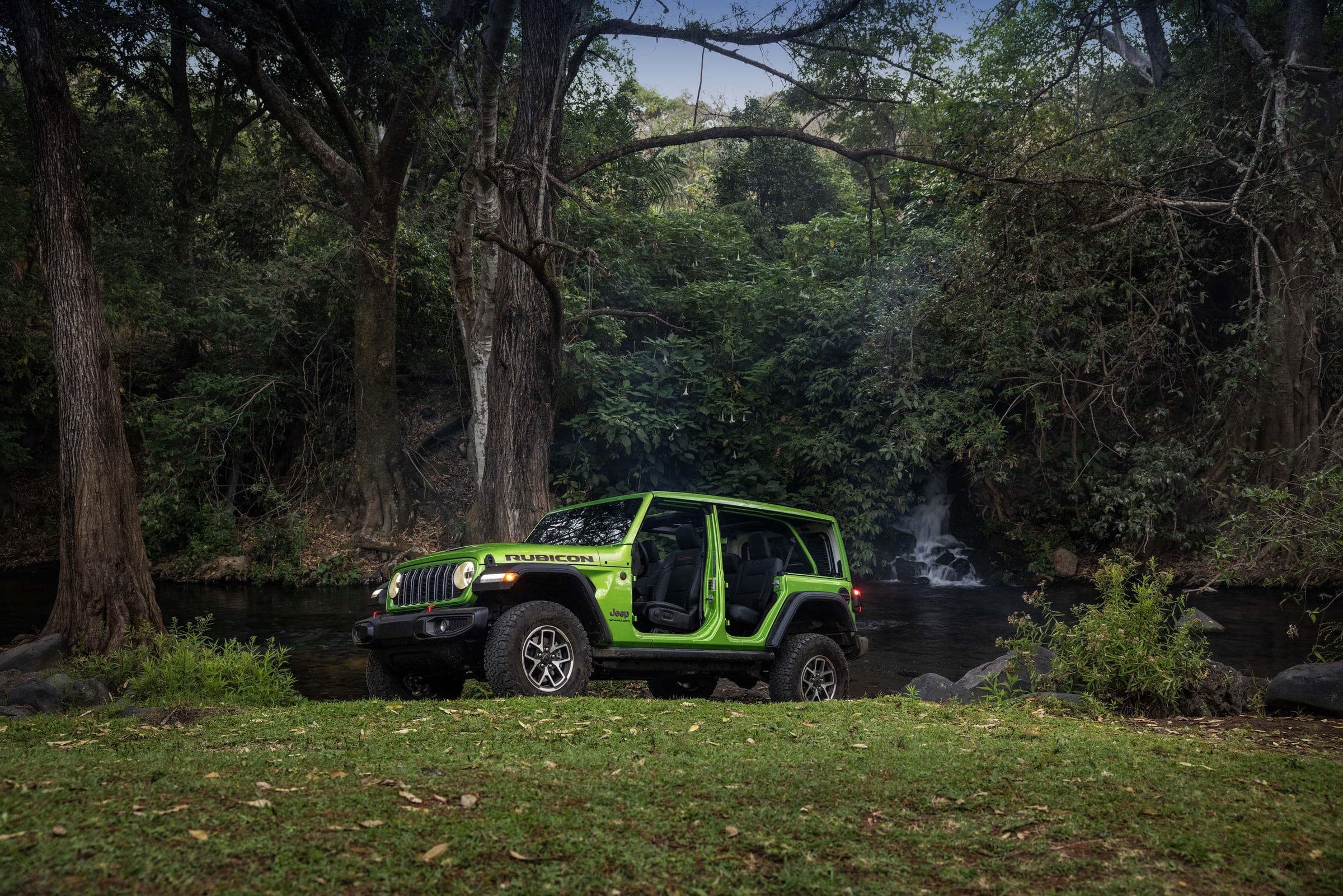
Evacuation routes cross low ground, and storm surge or heavy rain can leave water over a road without warning. Jeep publishes fording figures for some models: up to 31.5 inches for the Gladiator, taken from its most recent published figure, and 30 to 34 inches for the Wrangler. Those are limits for slow, careful movement in clean water, not permission to test them.
Moving water, hidden washouts and salt-contaminated floodwater do damage a ground-clearance number cannot show. Standard ground clearance ranges from 5.1 inches on the Pacifica to 8.4 on the Grand Cherokee and 8.0 on the Durango, so most of this group should never be asked to cross a flooded road at all. If the road is covered, turn around and find another route.
Power when the grid is down
Some trucks let you run small items from the vehicle. Ram says the 1500's V6 eTorque can add an optional 2 kW of onboard power with two 120V bed outlets. The Ram 1500 Big Horn Level 1 Equipment Group, at $1,695, includes a 115-volt outlet and a 400-watt inverter. The Gladiator Cargo Group with the Trail Rail System, at $2,095, adds a bed outlet, a 400-watt inverter and an exterior 230V outlet. The Pacifica Family Tech Group includes a 115-volt outlet and costs $1,395 on Select and $1,895 on Limited.
A 400-watt inverter is enough to keep phones, a laptop and a small fan running, not a refrigerator. Run any engine-powered setup outdoors with good airflow, and never in a garage or enclosed carport.
The vehicle that stays behind
If you have a second vehicle, its job is to survive. Refer to your local emergency management office for flood zones and parking-deck guidance. In general, park on the highest ground available, away from trees and power lines, and facing out so it can be moved if needed. Take photos of the vehicle and its odometer for an insurance record, bring the title documents with you if you can, and leave the tank full. Check your policy for flood and comprehensive coverage well before hurricane season starts, because many insurers restrict new coverage once a storm is in the forecast.
Before you commit to any of these six, build a short checklist of your own: tank range with a trailer, seat count with a pet crate, payload with water and supplies, and the route's low spots. The vehicle that balances all four will serve a family far better than the one with the biggest headline number.