Ownership
Pollen Season and Humid Heat: Cabin and Engine Air Filter Intervals
Cabin and engine air filter intervals for Jeep, Ram, Dodge and Chrysler 2015-2027, by model and year, plus the schedules that list no cabin filter interval.
By the Southeast CDJR editorsUpdated November 8, 20266 min read
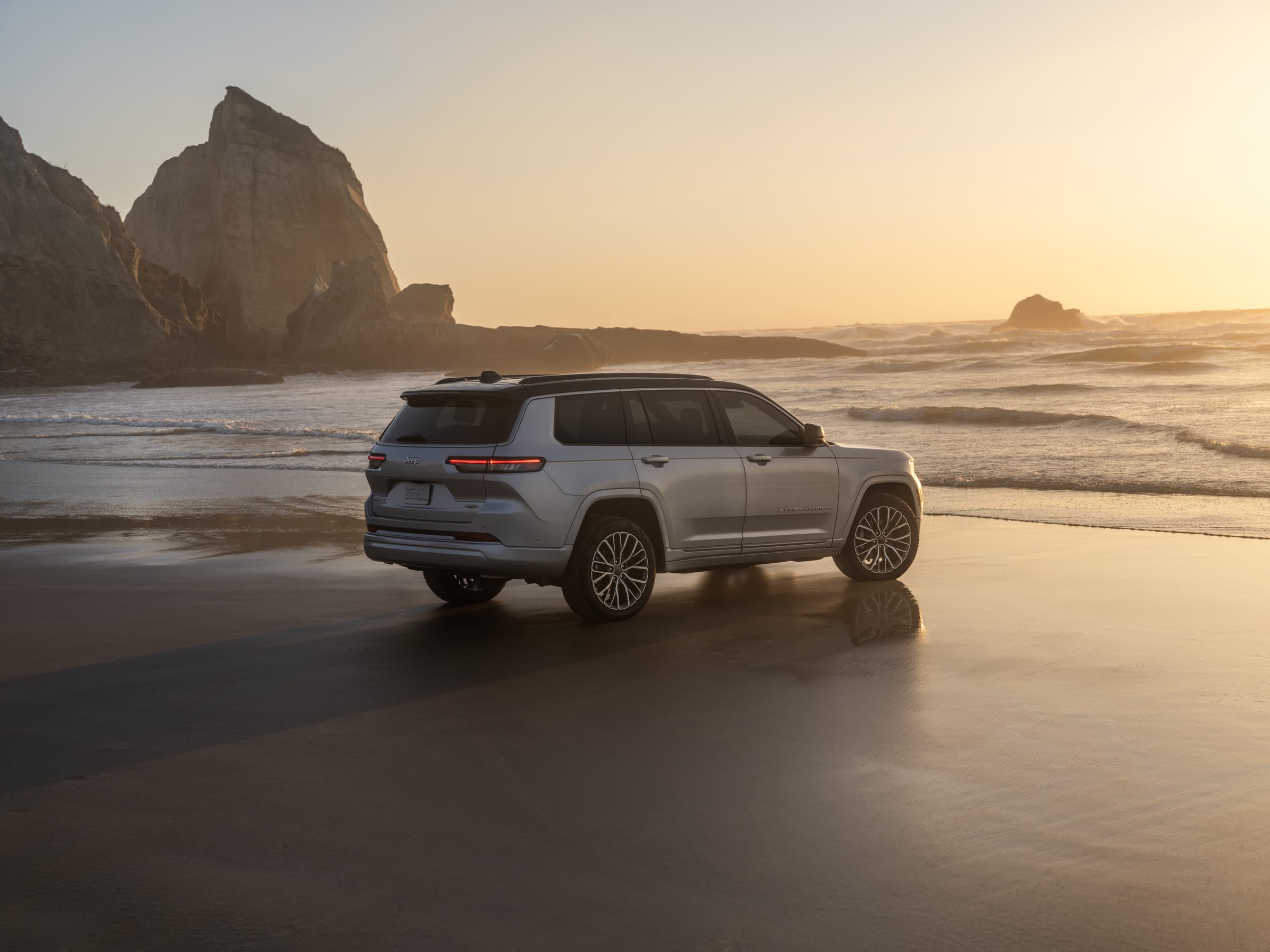
Anyone who has parked outside in Atlanta, Charlotte, Raleigh or Richmond in April knows the yellow-green film that settles on everything. Add a Florida summer where the air conditioning runs for months, and the cabin filter gets plenty of use. So how often do Chrysler, Dodge, Jeep and Ram say to change it?
The short version from the maintenance data: through 2021, most schedules list the cabin filter every 20,000 miles or 2 years. The 2022-2023 schedules shrink that to a single "20,000 miles / 2 years" entry (shorter on diesels). From 2024 on, the cabin filter shows up in many schedules with no interval at all. The engine air filter is steadier: every 30,000 miles on most models, tighter on heavy-duty diesels.
Nothing in the data mentions pollen or humidity. The only condition-based filter rows are about dust and off-road driving, so what follows is the manufacturer's schedule, not a pollen-season adjustment.
Cabin air filter by model and era
Each row below comes from the maintenance rows whose text names the cabin (or air conditioning) filter. Where the data gives a single entry, the interval is the one printed on it; the data does not say "every," so treat it as the repeat interval with that caveat.
| Model | 2015-2021 | 2022-2023 | 2024-2027 |
|---|---|---|---|
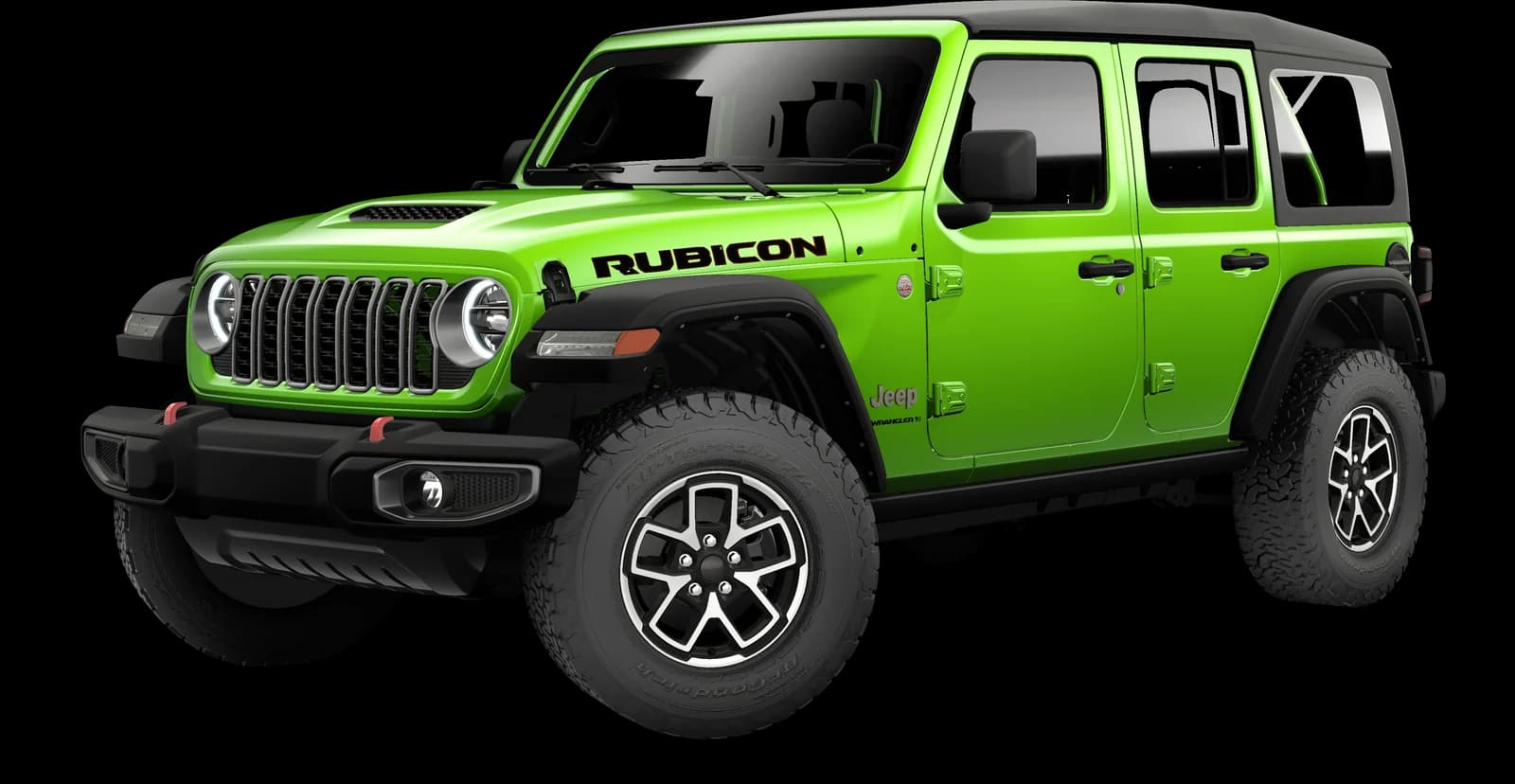
| Jeep Wrangler | 20,000 mi / 2 yr steps to 140,000 | Gas 20,000 mi / 2 yr; 3.0L diesel 10,000 mi / 1 yr | Listed, no interval |
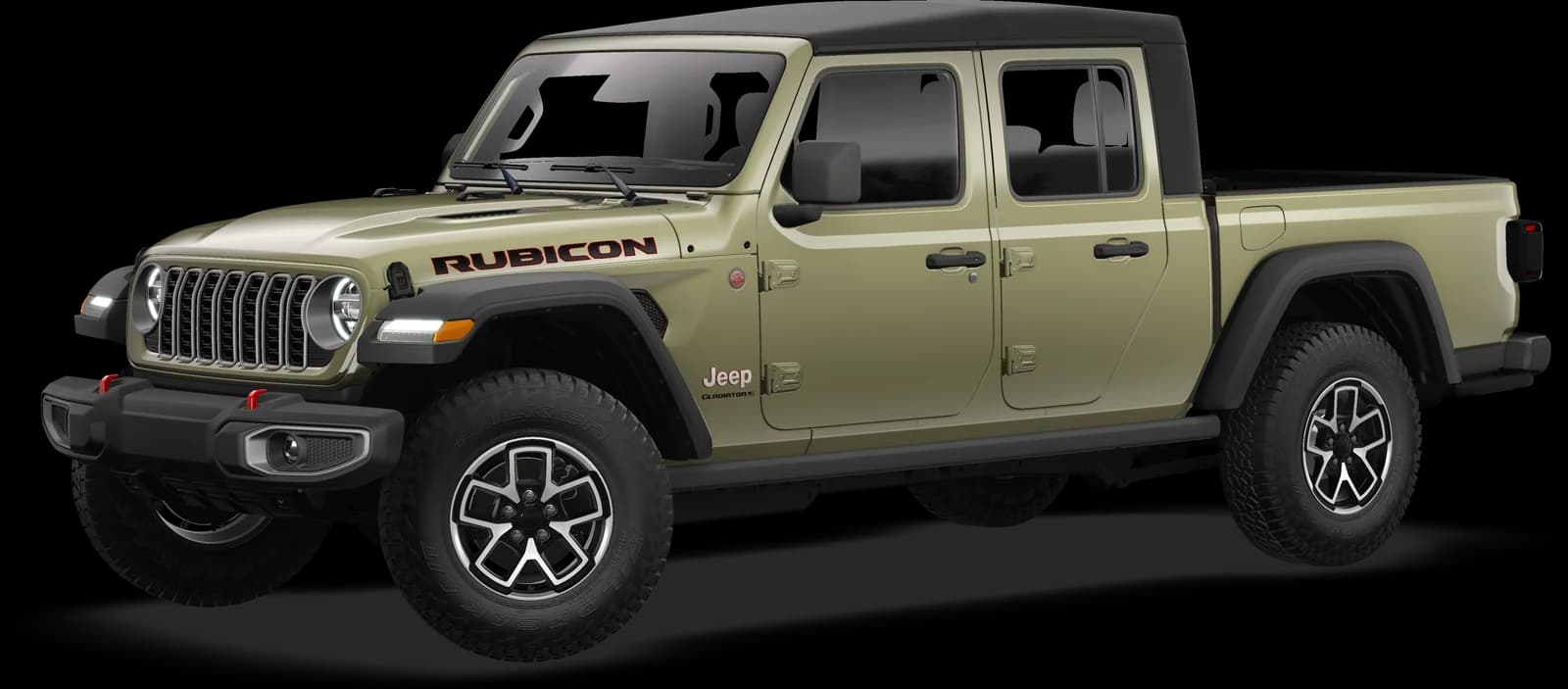
| Jeep Gladiator (2020 on) | 20,000 mi / 2 yr steps to 140,000 | Gas 20,000 mi / 2 yr; 3.0L diesel 10,000 mi / 1 yr | Listed, no interval |
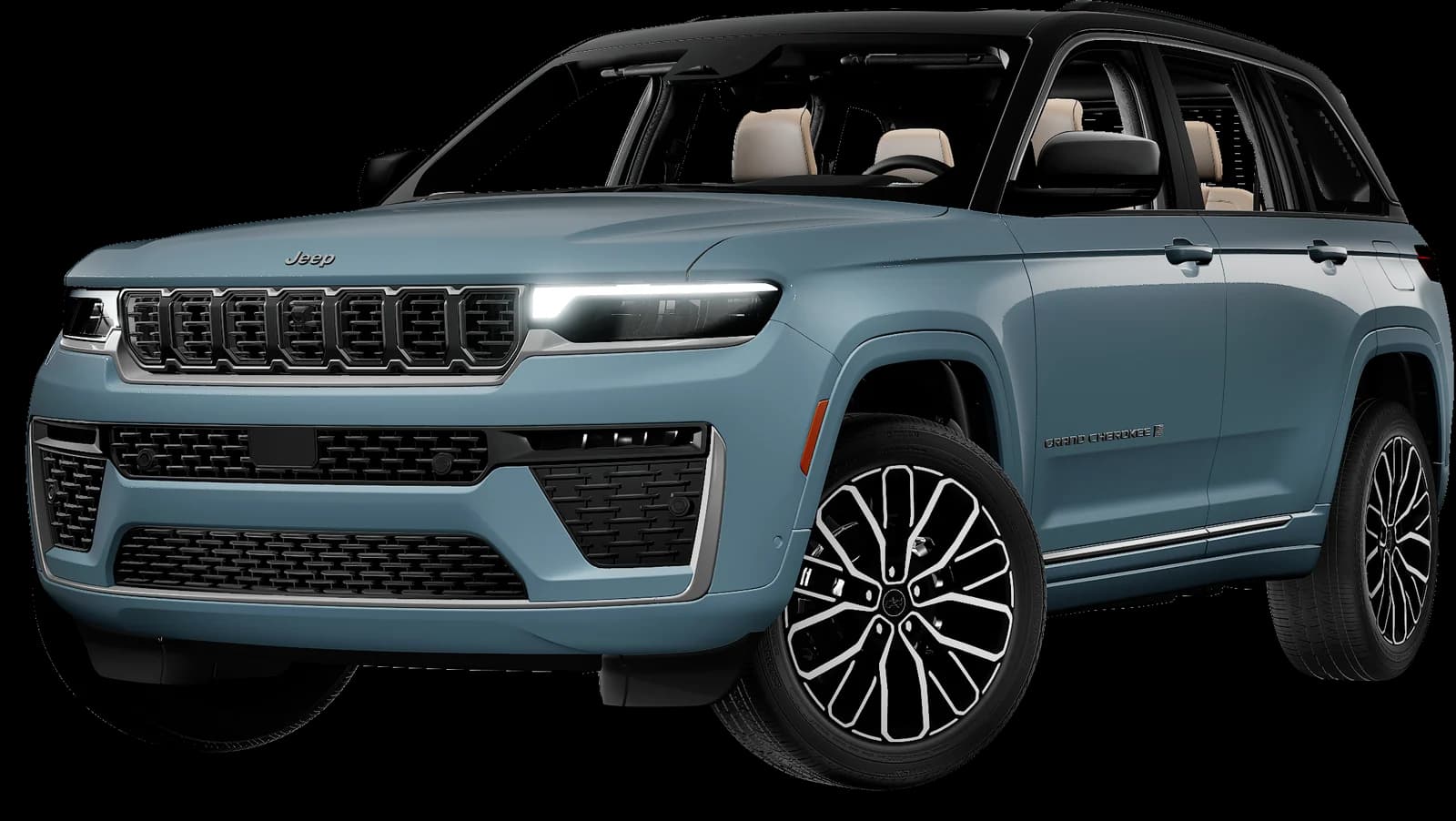
| Jeep Grand Cherokee | 20,000 mi steps (SRT: 24,000 mi steps) | 20,000 mi / 2 yr | Listed, no interval |
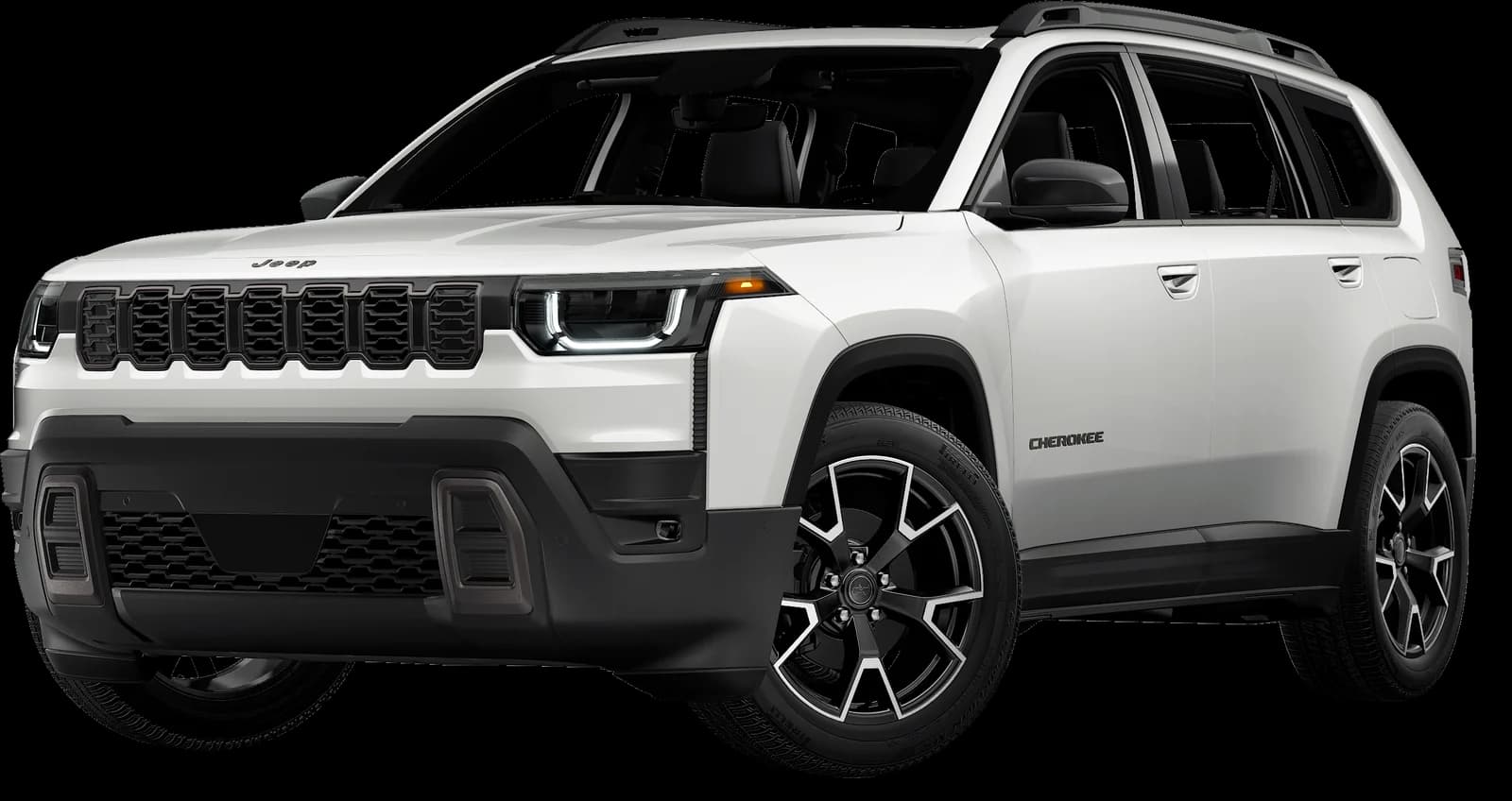
| Jeep Cherokee | 20,000 mi steps to 140,000 (2015–2021) | 20,000 mi / 2 yr | 2026–2027 listed, no interval |
| Dodge Durango | 20,000 mi steps (SRT: 24,000 mi steps) | 20,000 mi / 2 yr | 2024, 2025 and 2027 listed, no interval; no cabin row in 2026 |
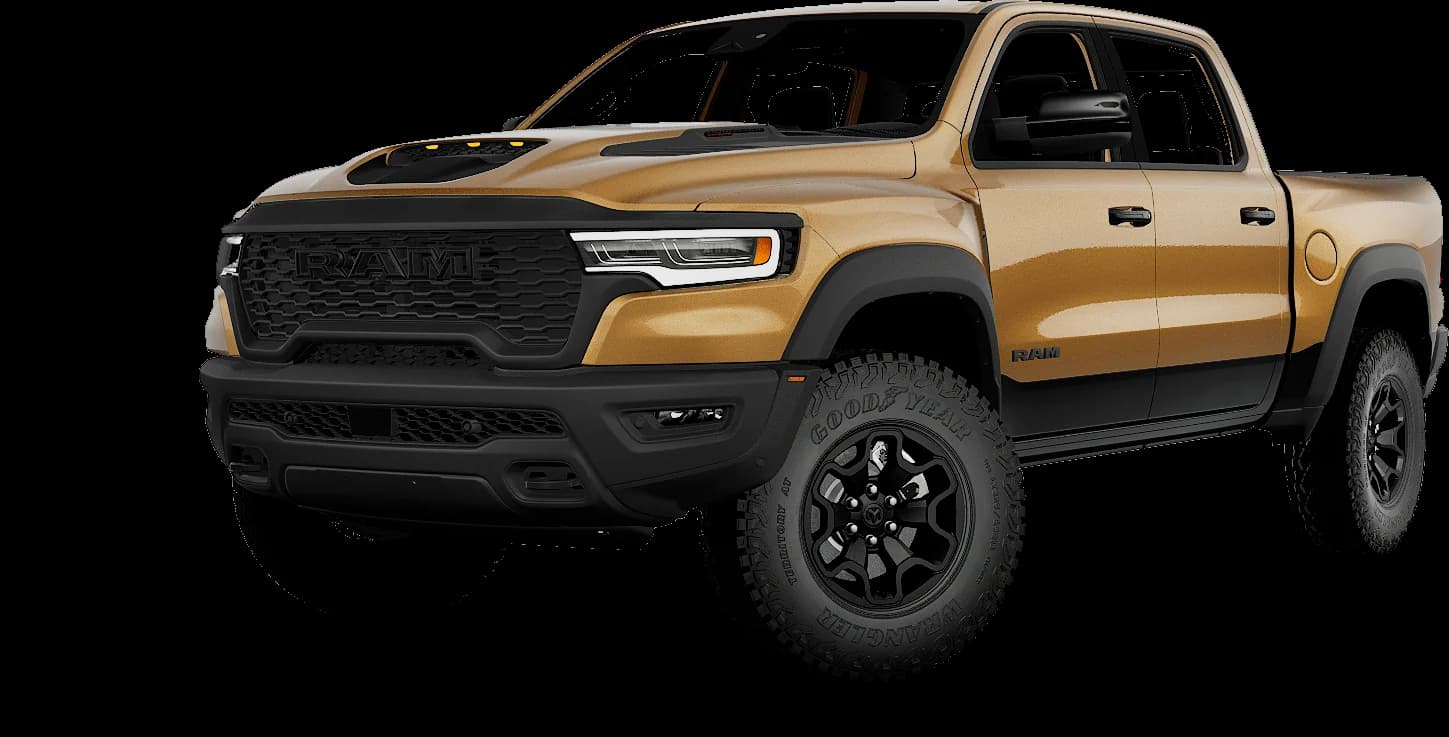
| Ram 1500 | None in 2015–2016; 20,000 mi steps 2017–2021 | Gas 20,000 mi / 2 yr; 3.0L diesel 10,000 mi / 1 yr | 2024, 2026, 2027 listed, no interval; no cabin row in 2025 |
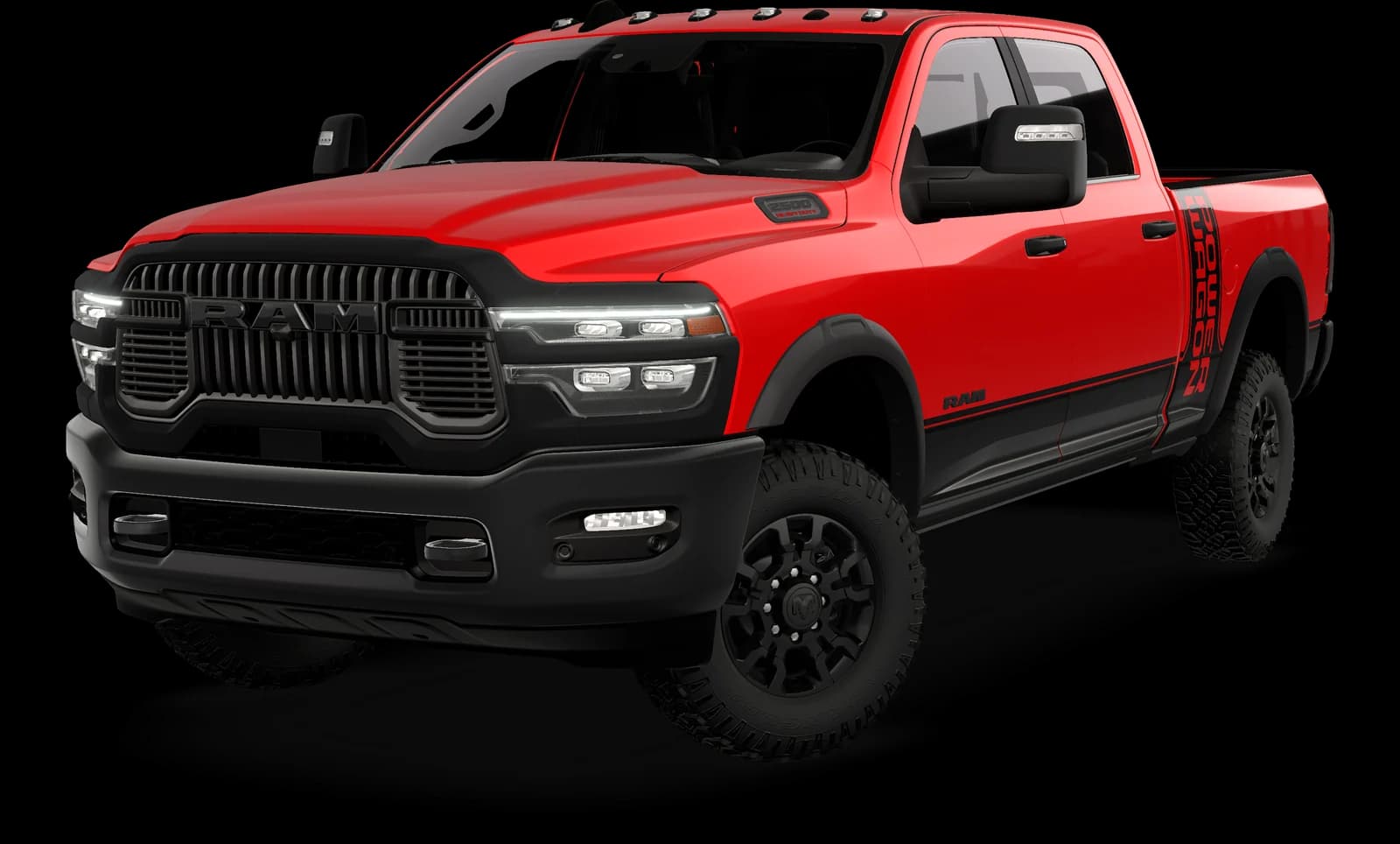
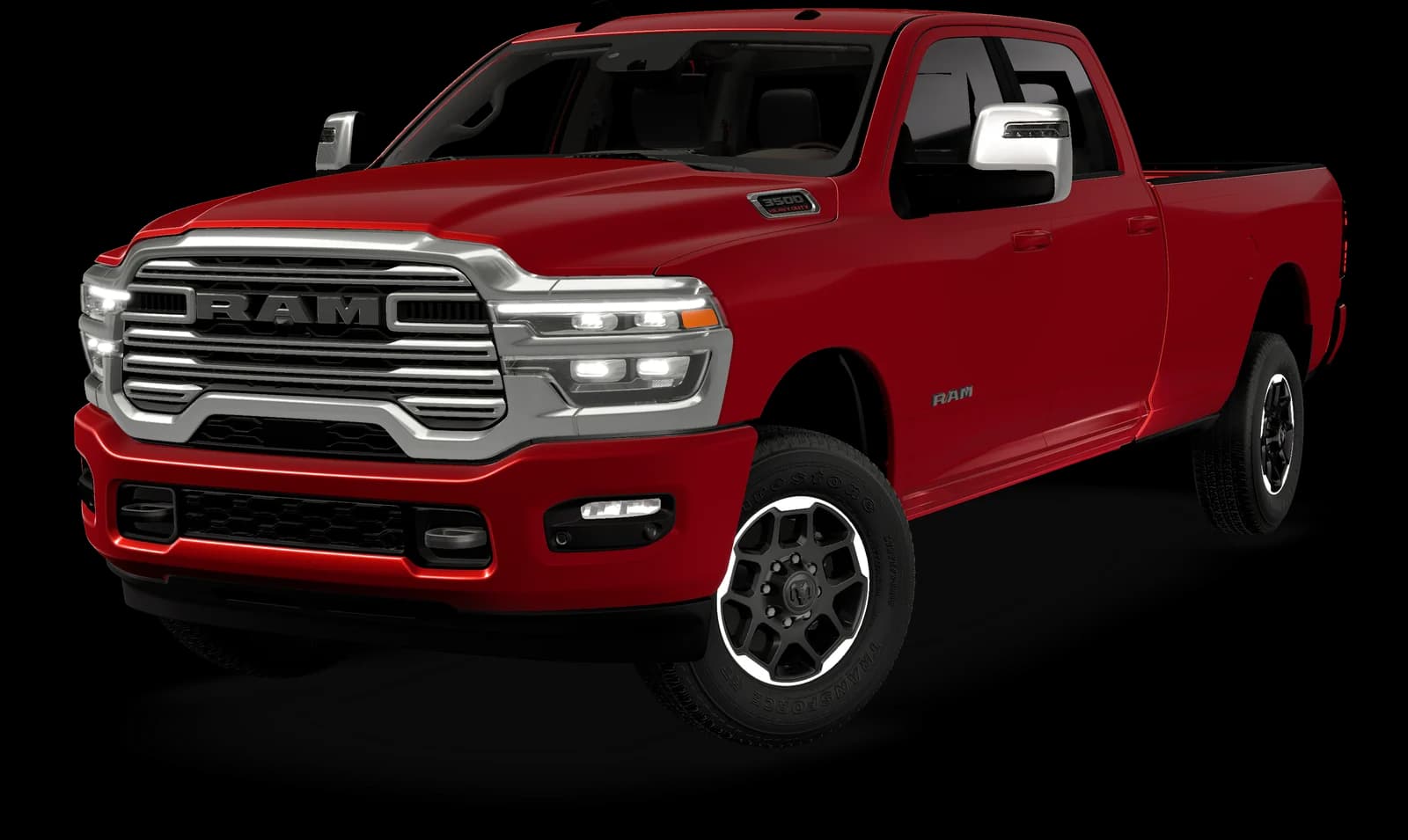
| Ram 2500 and 3500 | None in 2015–2016; 20,000 mi steps 2017–2021 (6.7L diesel 2019–2021: 22,500) | Gas 20,000 mi / 2 yr; 6.7L diesel 7,500 mi | Listed, no interval |
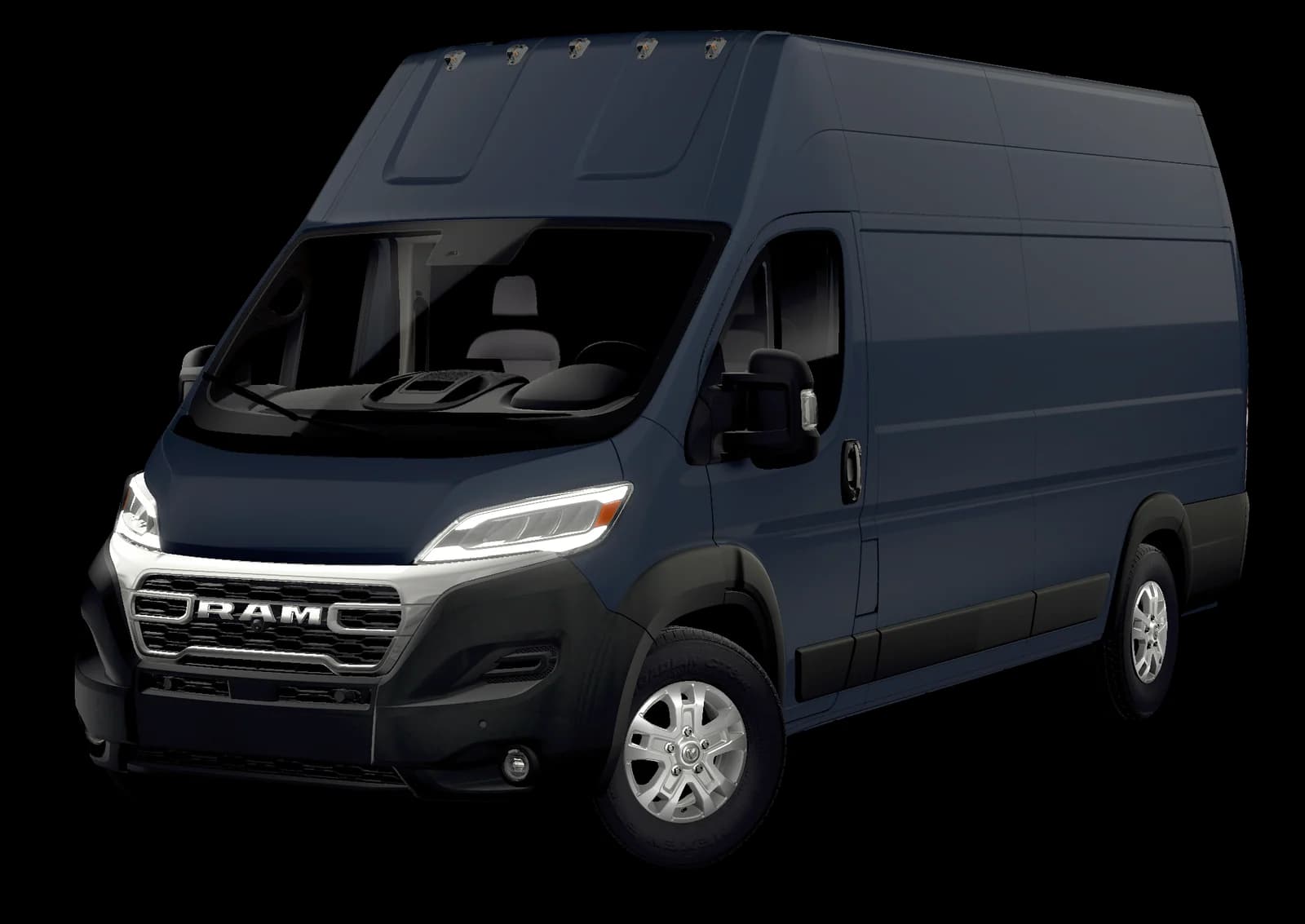
| Ram ProMaster | 20,000 mi steps | 20,000 mi steps | 2024–2025 20,000 mi steps; 2026–2027 listed, no interval |
| Chrysler Pacifica | 20,000 mi steps 2017–2021 | 20,000 mi / 2 yr | Listed, no interval |
Pages for the years behind these rows: the 2019 Wrangler, 2022 Wrangler, 2023 Gladiator, 2022 Grand Cherokee, 2022 Ram 1500, 2020 Ram 2500, 2023 Ram 3500 and 2023 Pacifica.
Two details deserve a second look. First, the ProMaster wording changes in 2020: 2015-2019 rows say to replace the cabin filter, while 2020-2025 say to inspect it and replace as necessary, at 20,000‑mile steps. Second, the 2024-onward "listed, no interval" cells are rows with no mileage or time attached; on the 2025 Wrangler the row sits under an "Additional Maintenance" heading. That is a gap in the data, not proof that no interval exists. The 2025 Ram 1500 and 2026 Durango schedules list no cabin filter row at all.
For contrast, the Jeep Renegade, which is not in the current lineup, lists its cabin filter every 10,000 miles in 2017-2020 (the 2018 Renegade is an example), a shorter interval than the vehicles above.
Engine air filter intervals
The engine air filter is the one with a consistent number.
| Model and engine | Years | Replace |
|---|---|---|
| Wrangler, Gladiator, Grand Cherokee, Cherokee, Durango, Pacifica | 2015–2027 (where each model has data) | Every 30,000 miles to 150,000, with 3-year steps where the data gives years (the SRT schedules for the 2017–2019 Grand Cherokee and Durango stop at 120,000) |
| Ram 1500 | 2015–2027 | Every 30,000 miles to 150,000 |
| Ram 2500 and 3500, gas | 2015–2027 | Every 30,000 miles to 150,000 |
| Ram 2500 and 3500, 6.7L diesel | 2019–2027 | Inspect every 15,000 miles; replace if necessary, never past 30,000 miles or 24 months |
| Ram ProMaster | 2015–2027 | Every 30,000 miles to 150,000 |
| Jeep Compass | 2018–2019 | 50,000, 90,000 and 130,000 miles |
| Jeep Compass | 2020–2022 | Every 30,000 miles to 150,000 |
The Compass line is the exception to the 30,000‑mile pattern on the page: its 2018 and 2019 schedules list the engine air cleaner at 50,000, 90,000 and 130,000 miles, while the 2022 Compass is back on 30,000‑mile steps (as are 2020 and 2021). Check the 2019 Compass if you own that year. The heavy-duty diesels are the other outlier: the 2020 Ram 2500 lists an inspection at each 15,000‑mile step, with the 30,000‑mile or 24-month ceiling written into the row.
When dust changes the schedule
Humid, pollen-heavy air is not the same problem as dust, but the dust rows are the only condition-based filter guidance in the data. Here is where they exist.
| Vehicle | Years | What the row says | Step |
|---|---|---|---|
| Wrangler 6.4L | 2024–2027 | Inspect the engine air cleaner in dusty or off-road use; replace if necessary | Every 12,000 miles to 144,000 |
| Ram 1500 6.2L TRX and 3.0L RHO | 2024 (TRX), 2025 (RHO) | Same inspect-and-replace wording | Every 12,000 miles to 144,000 |
| Grand Cherokee SRT | 2016–2020 | Same wording | Every 12,000 miles to 144,000 |
| Durango SRT | 2017–2020 and 2024–2027 | Same wording | Every 12,000 miles to 144,000 |
| Ram 1500 gas | 2022–2025 | In severe dusty driving, inspect and replace the Evaporative System Fresh Air Filter | From 20,000 miles in 10,000‑mile steps |
| Jeep Compass | 2020–2022 | Dusty or off-road: inspect the engine air cleaner | Every 20,000 miles to 140,000 |
| ProMaster | 2019 | Change the engine air filter every 10,000 miles in dusty or off-road use | Printed in the 30,000‑mile rows |
Note that the Ram 1500 fresh air filter is part of the evaporative system, not the cabin or engine filter. If you drive dirt roads in a Georgia pine plantation, a Carolina sandy-soil lane or a Florida shell road, the SRT, TRX and Wrangler 6.4L rows show how the factory words it for the hardest-use versions, and they are much tighter than the standard schedules.
Reading the rows safely
A few ground rules for these tables.
- The "miles" and "years" in the data are where a service is listed, so "20,000 / 2" means the listing sits at those marks, not that two years is a hard cap on top of the mileage.
- Diesel and gas schedules in the same model year can differ, as the Wrangler, Gladiator and Ram 1500 rows for 2022-2023 show.
- When a model-year has two generations or two engine groups, the data keeps them in separate schedules, so confirm which schedule matches your engine on the model-year page.
- Years where a model has no cabin row (Ram 1500 in 2015, 2016 and 2025; Ram 2500 and 3500 in 2015 and 2016; Ram Chassis Cab in 2015, 2016, 2018 and 2019) mean the research data lists none. They do not mean the vehicle has no cabin filter.
How to check your own vehicle
Decode your VIN with the VIN decoder to confirm the engine, then open the model-year page for the maintenance table. The spec explorer puts different years side by side. The 2025 ProMaster page is a good one for seeing how an inspect-and-replace row differs from a plain replace row.